
The Moon |
(Download a higher resolution picture by clicking on any picture below.)
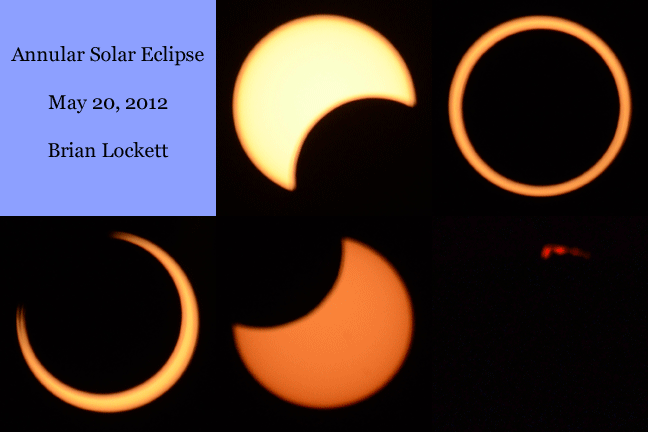
On May 20, 2102, the Moon passed between the Earth and the Sun. The Moon was near Apogee, the high point in its orbit, so it did not cover the entire face of the Sun, resulting in an annular eclipse. Lunar apogee had occurred about 31 hours before the eclipse. The apogee, 252567 miles from Earth, was the highest of the year.
The centerline of the eclipse passed very near the town of Page, Arizona. My sisters, Debbie and Lisa, and I drove to Page on Sunday. We found a dirt road leading up to a butte south of town and parked about 2,000 feet from the centerline of the eclipse (Latitude: 36.8837° N Longitude: 111.4811° W). The sky was clear except for a thin haze of smoke from wildfires. We could see many cars parked at the Horseshoe Point overlook and the Glen Canyon Dam scenic view below us. Every nce in a while a four wheel drive vehicle drove past onthe way to the top of the butte. We observed the eclipse through cardboard viewer with a sheet of a material that looked like it came from a black garbage bag. The sun turned into a crescent and then a blazing orange neon circle as the light on the landscape faded away. We stayed up there until sunset when the sun was eclipsed by both the Moon and the Earth.
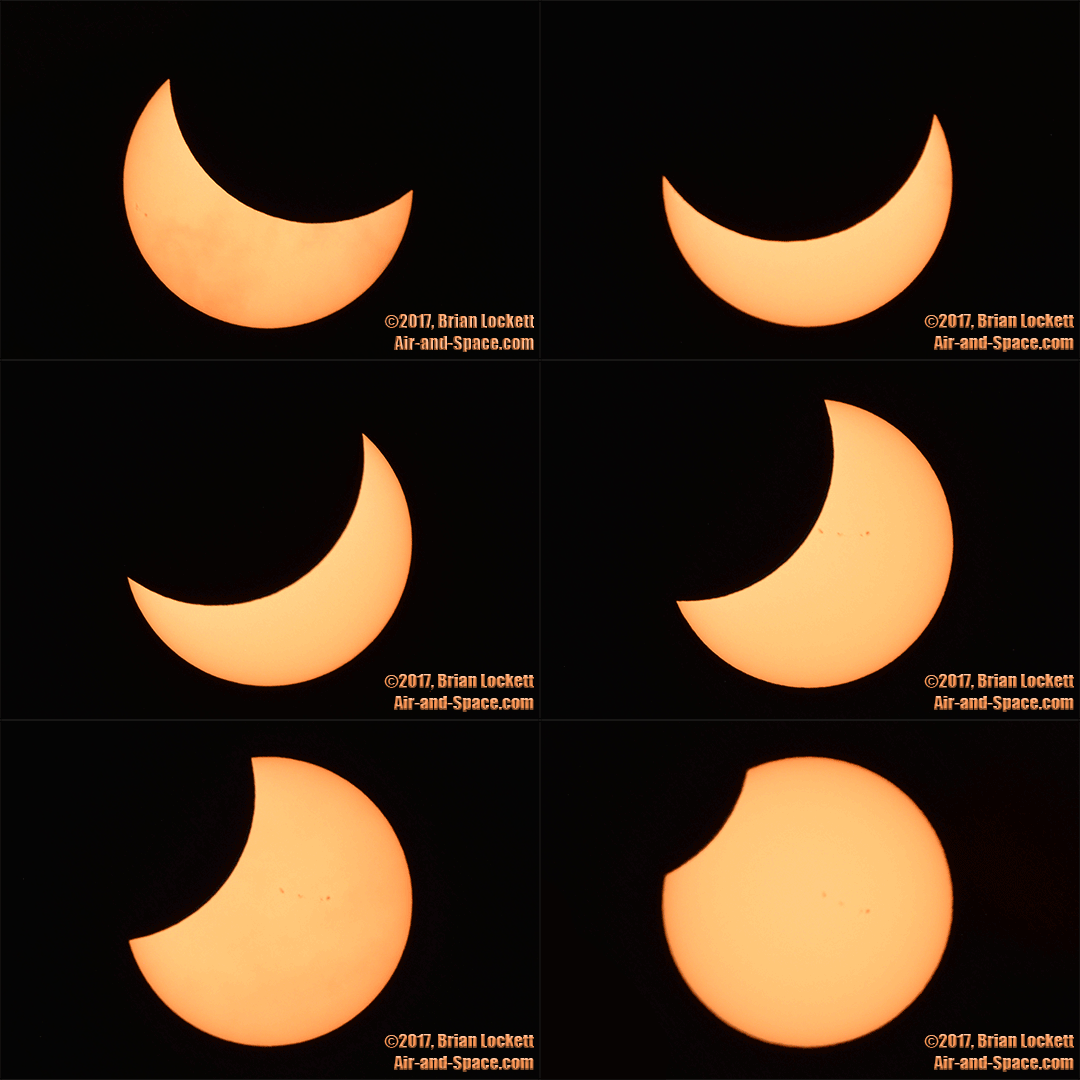
 Pictures of the Annular Solar Eclipse taken at five minute intervals.
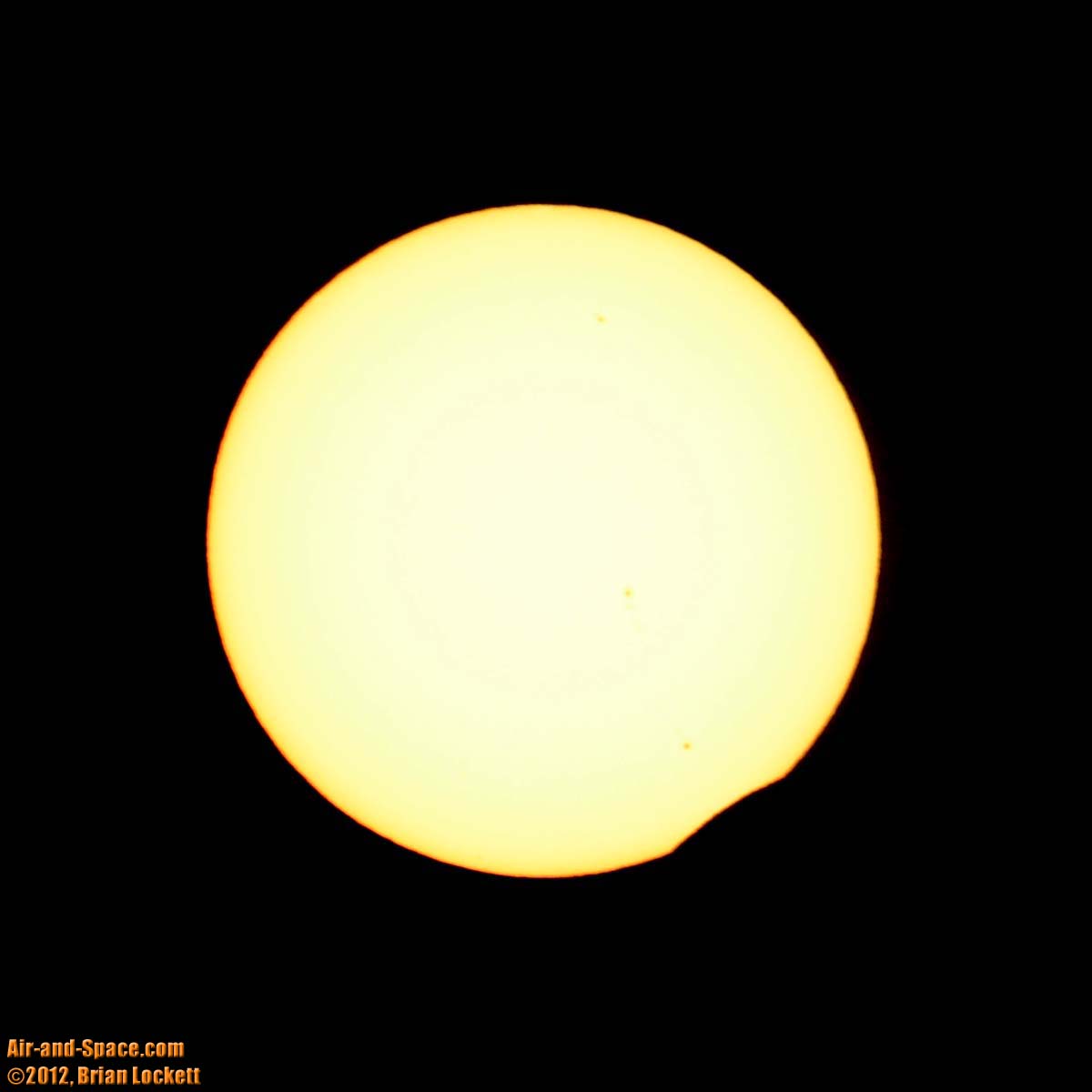 The Moon began to move across the Sun at 5:25 PM Mountain Standard Time at our location.
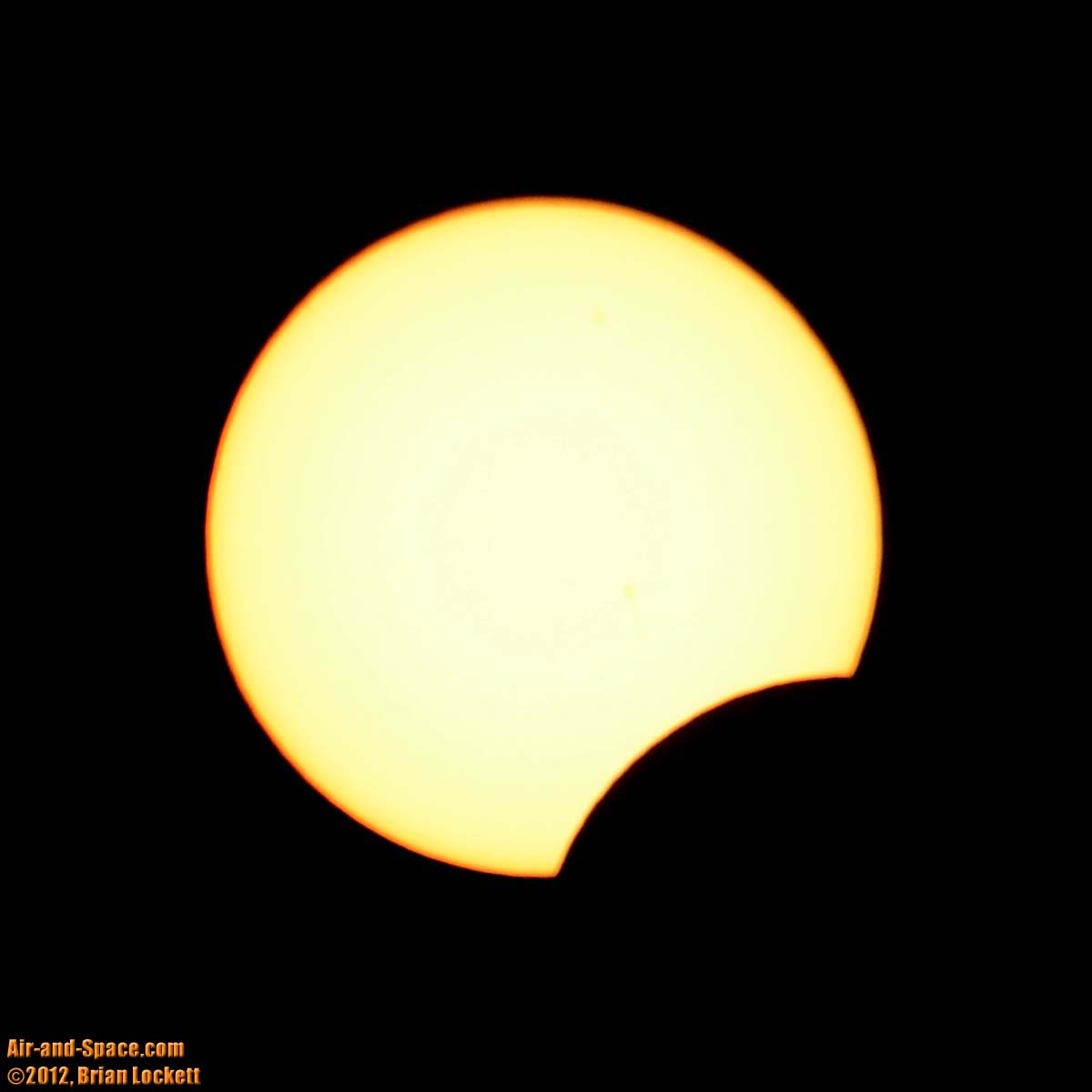 Partial Solar Eclipse.
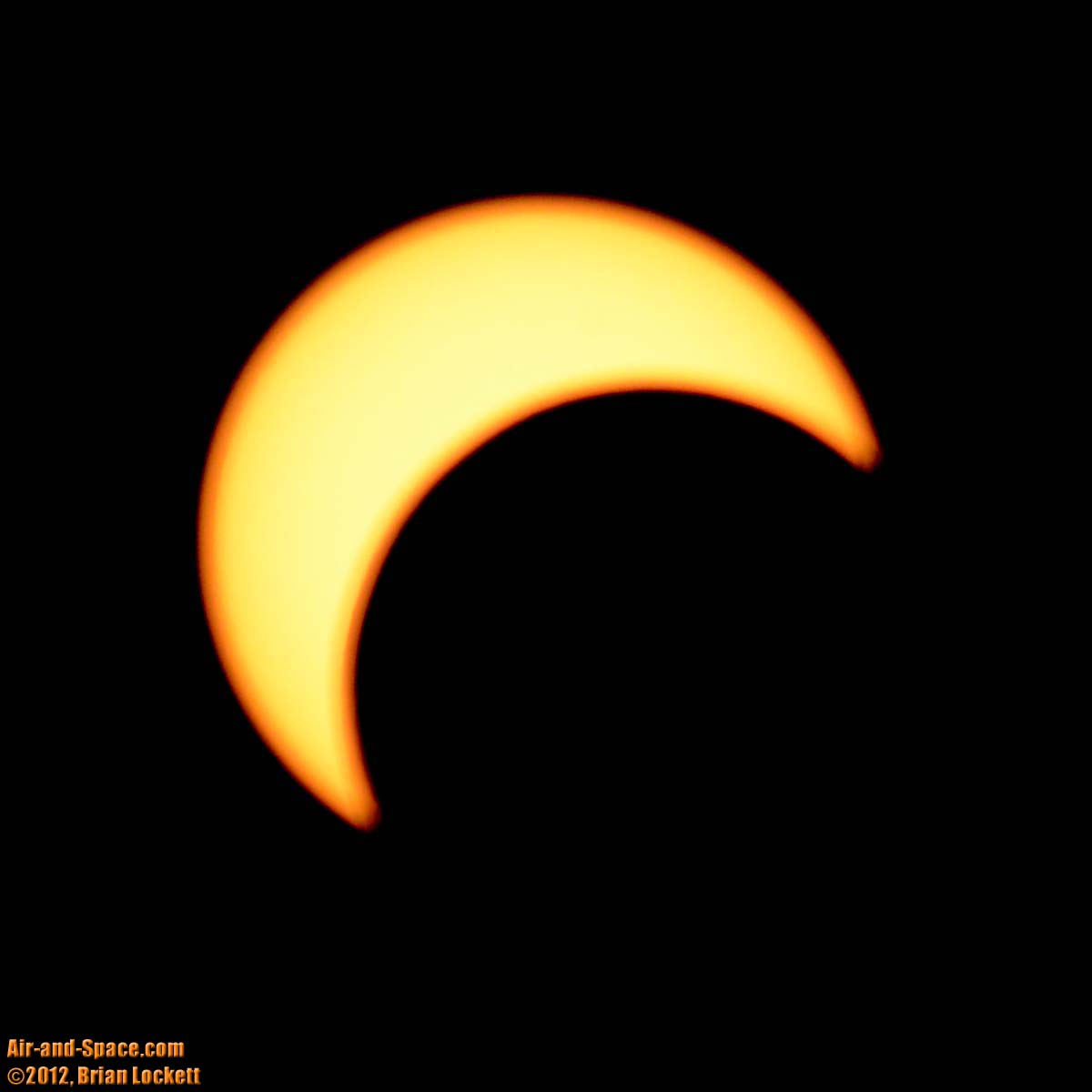 Partial Solar Eclipse.
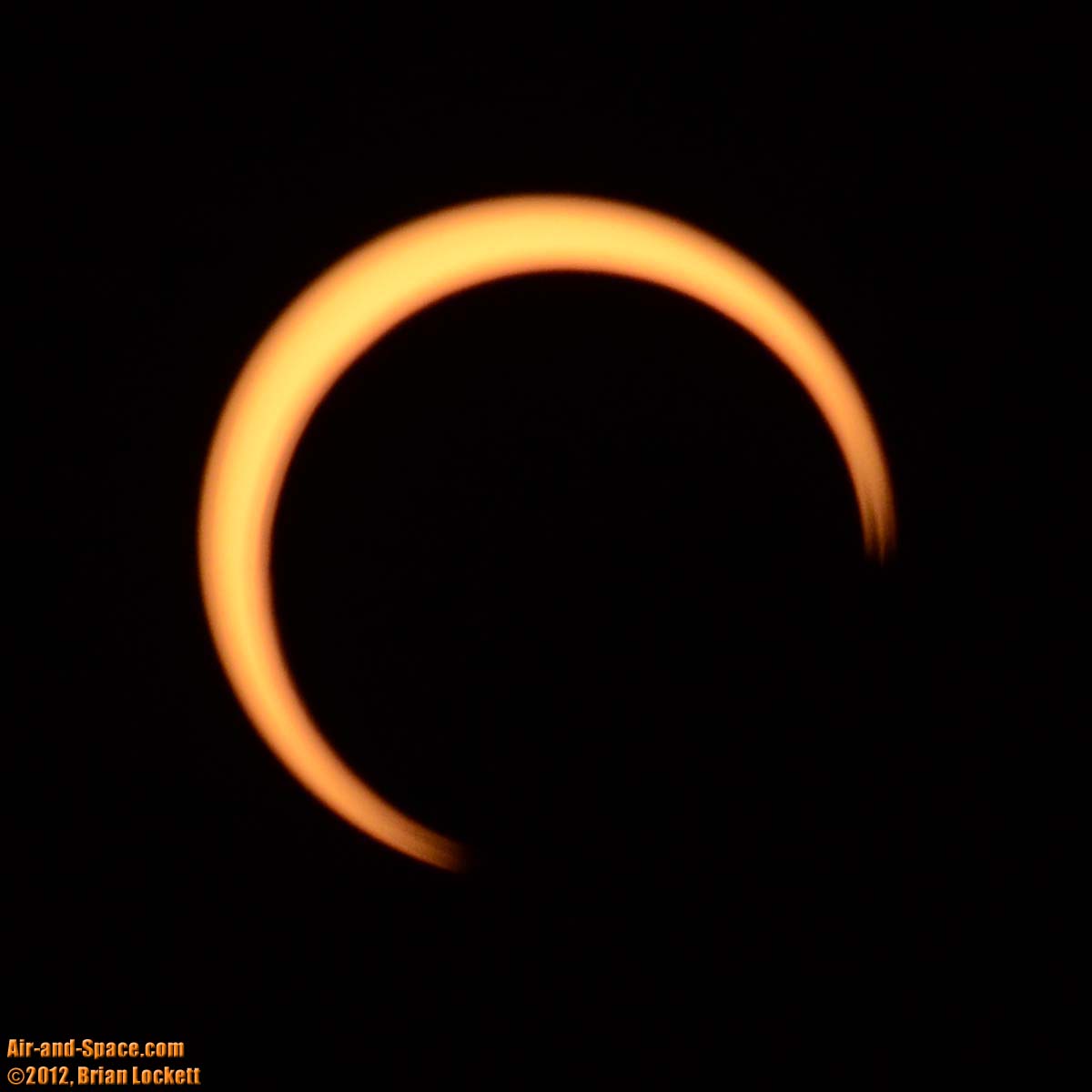 The annular phase of the eclipse started at 6:32:14 PM.
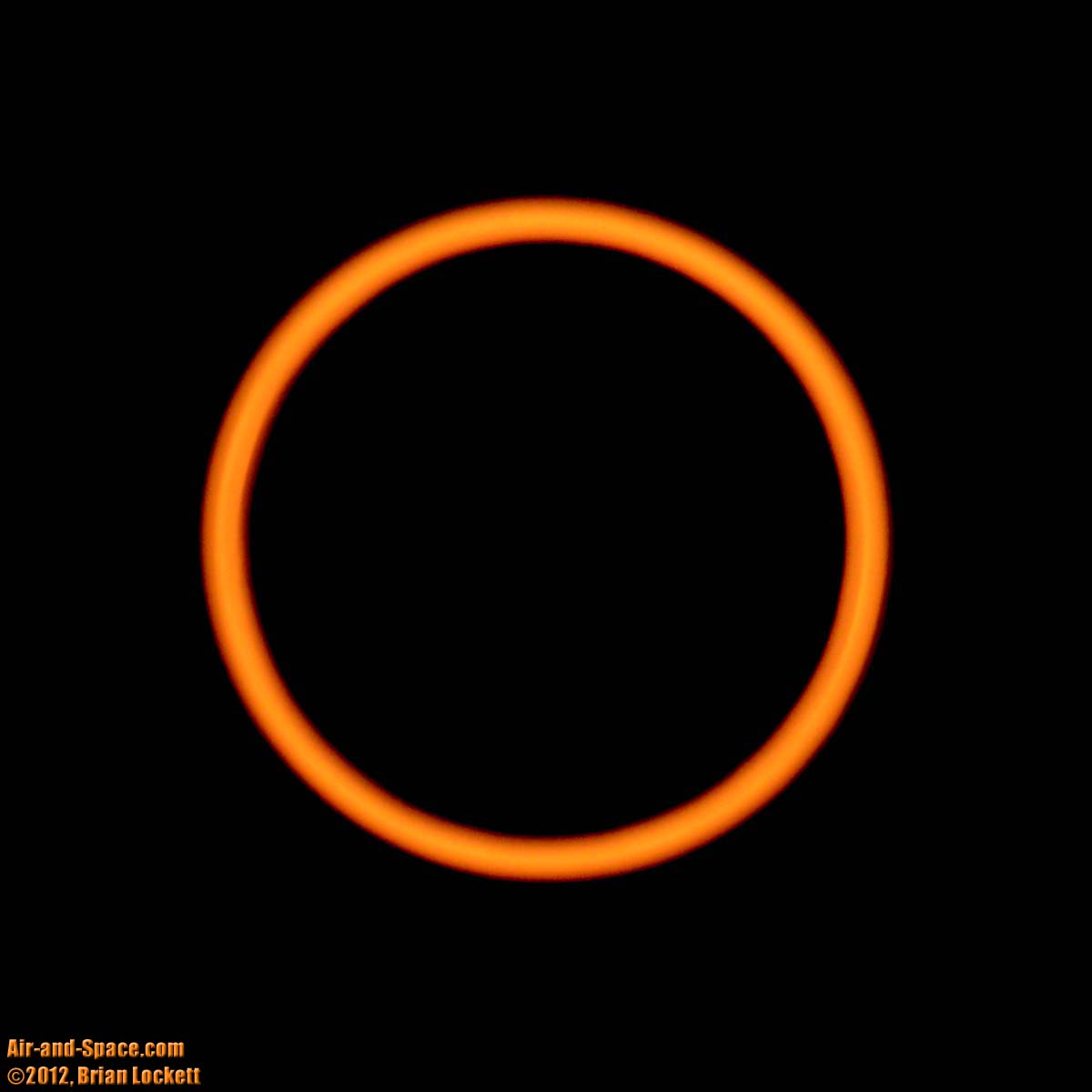 The Moon was centered on the face of the Sun at 6:34:30 PM.
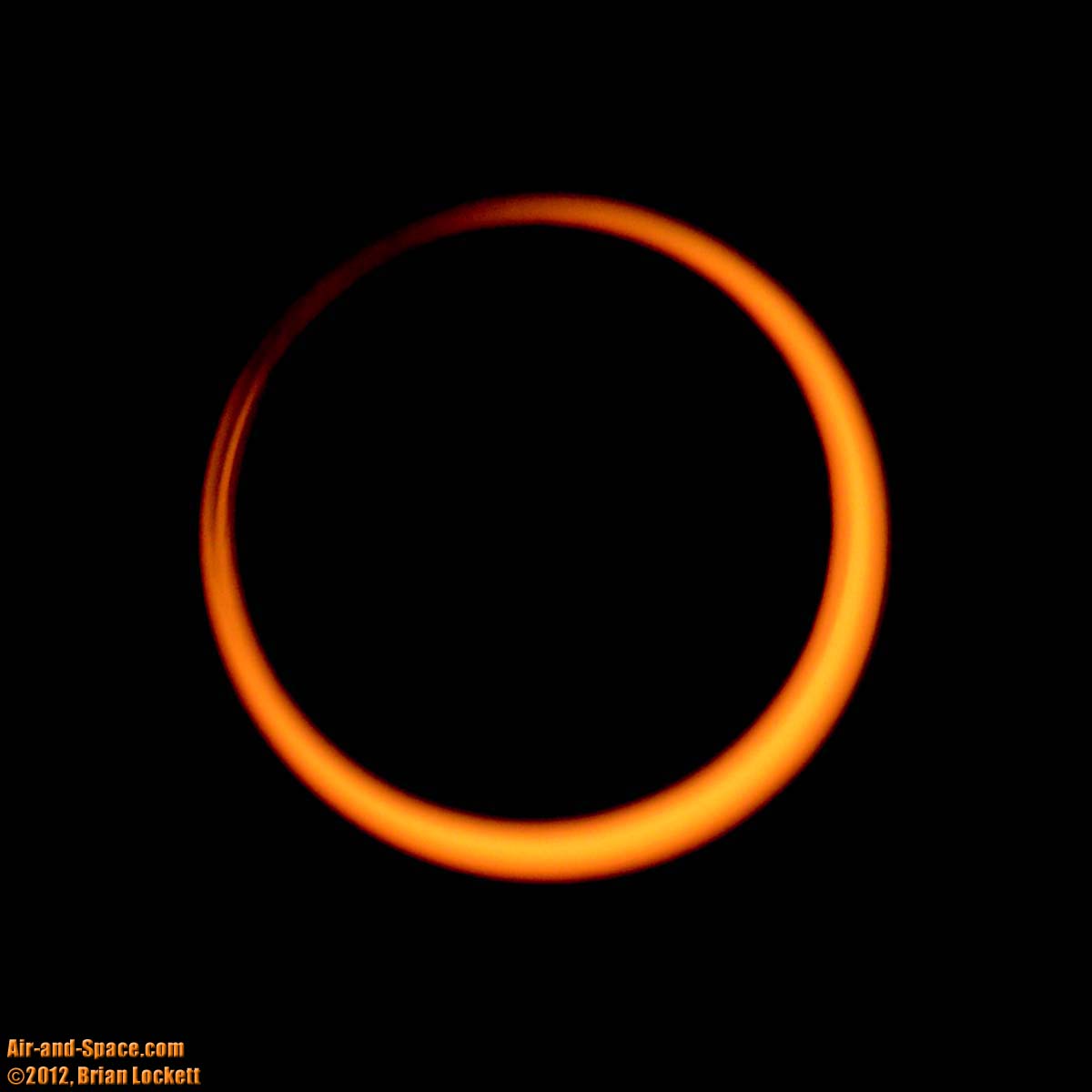 The annular phase of the eclipse ended at 6:36:45 PM.
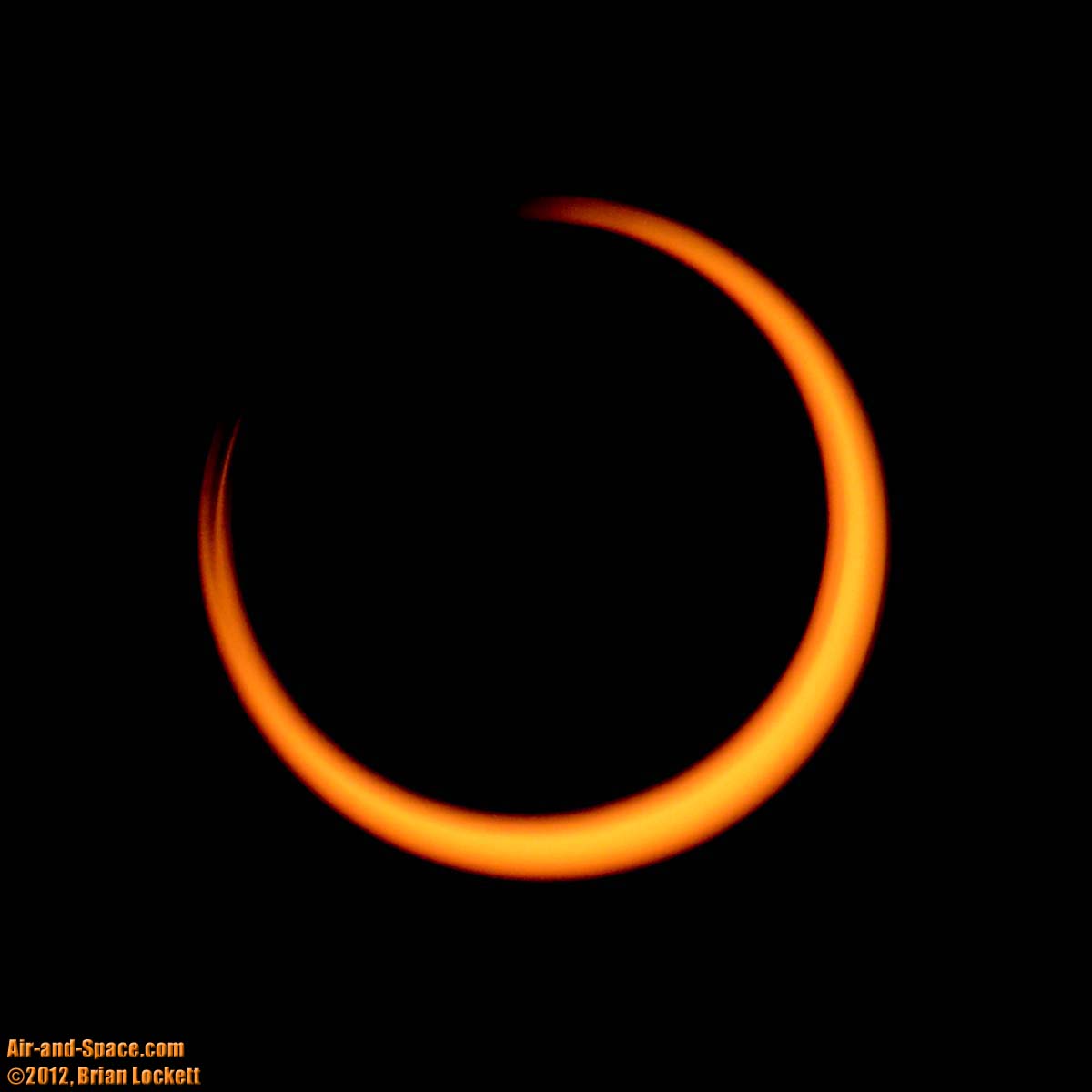 Partial Solar Eclipse.
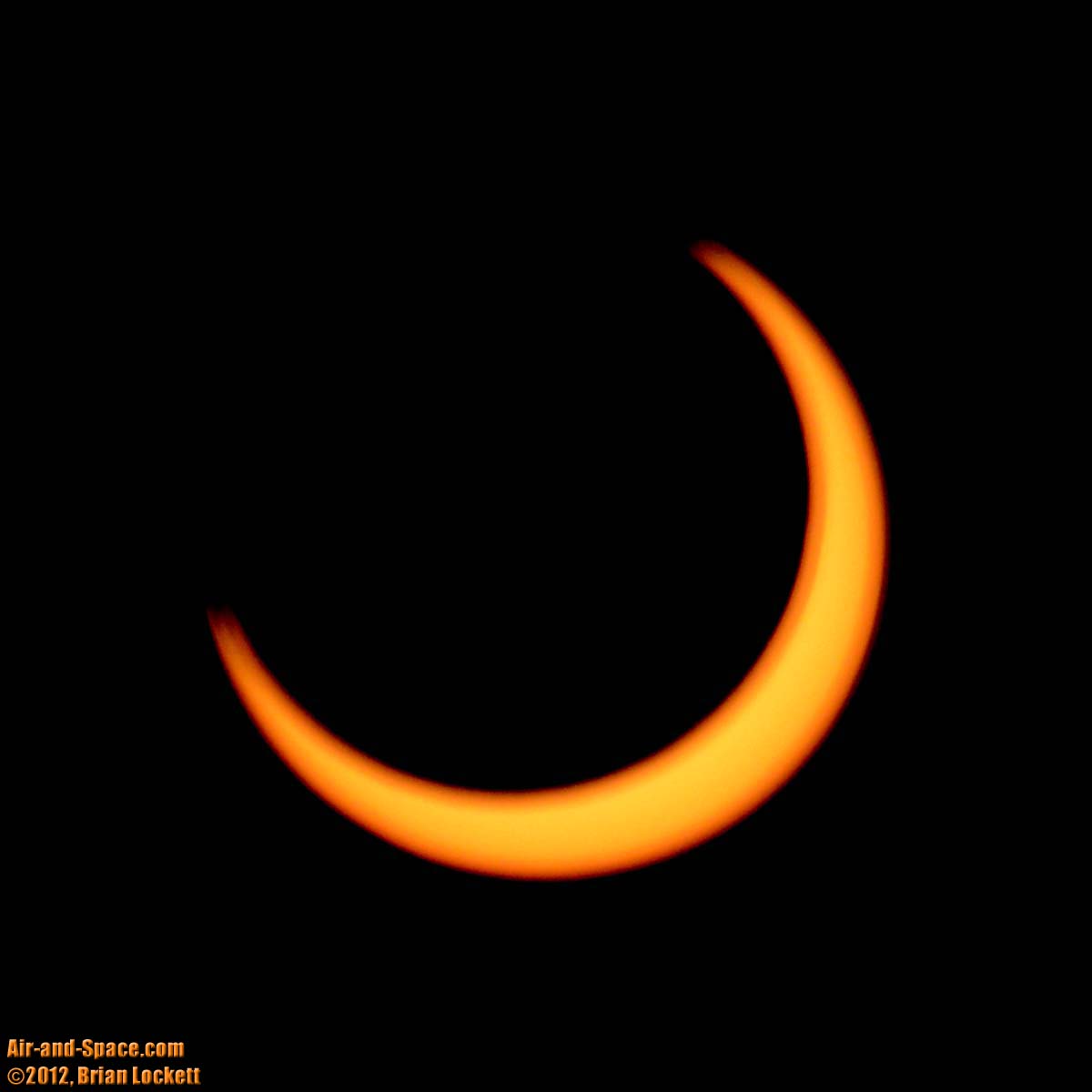 Partial Solar Eclipse.
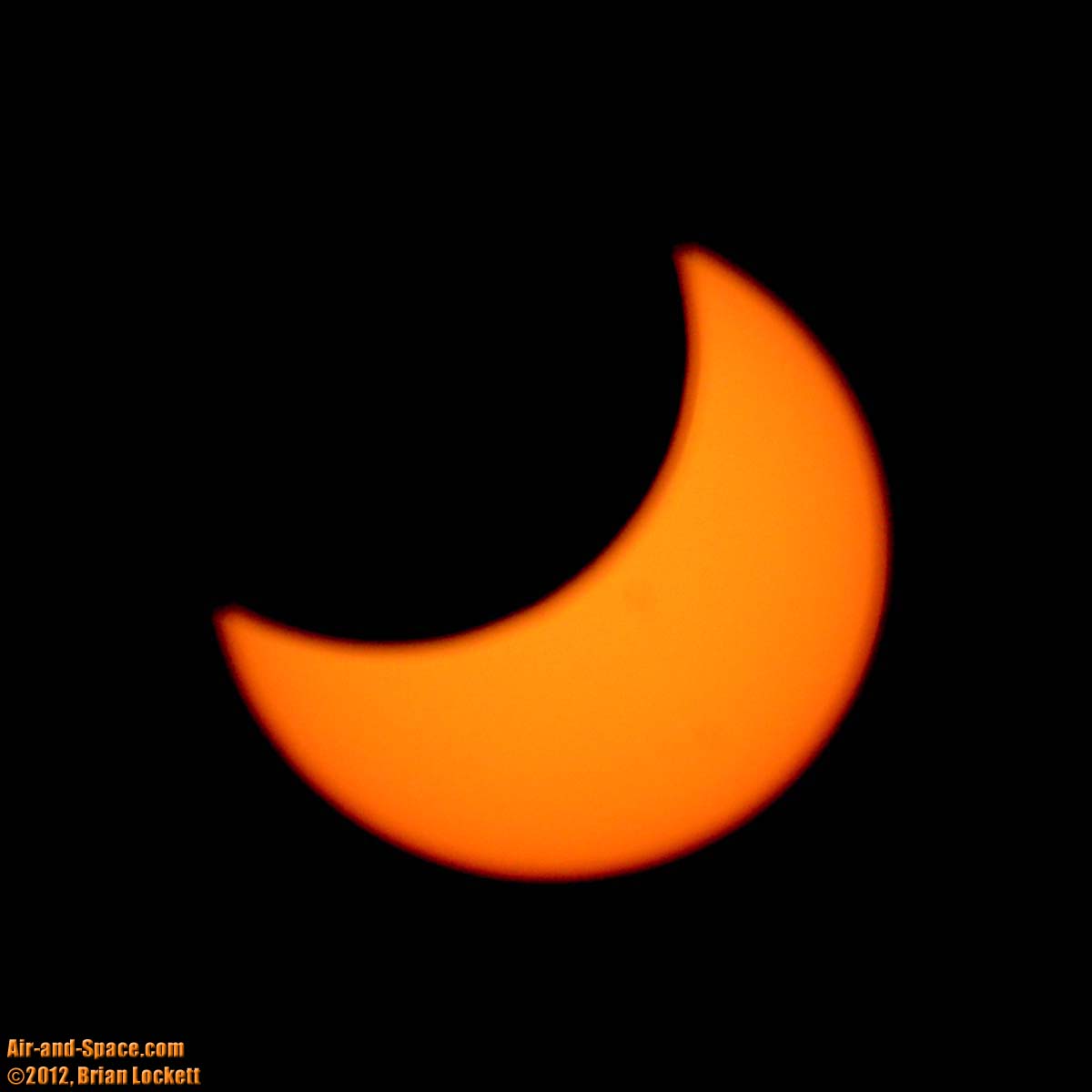 The Sun dimmed and appeared progressively more oblate as it approached the horizon.
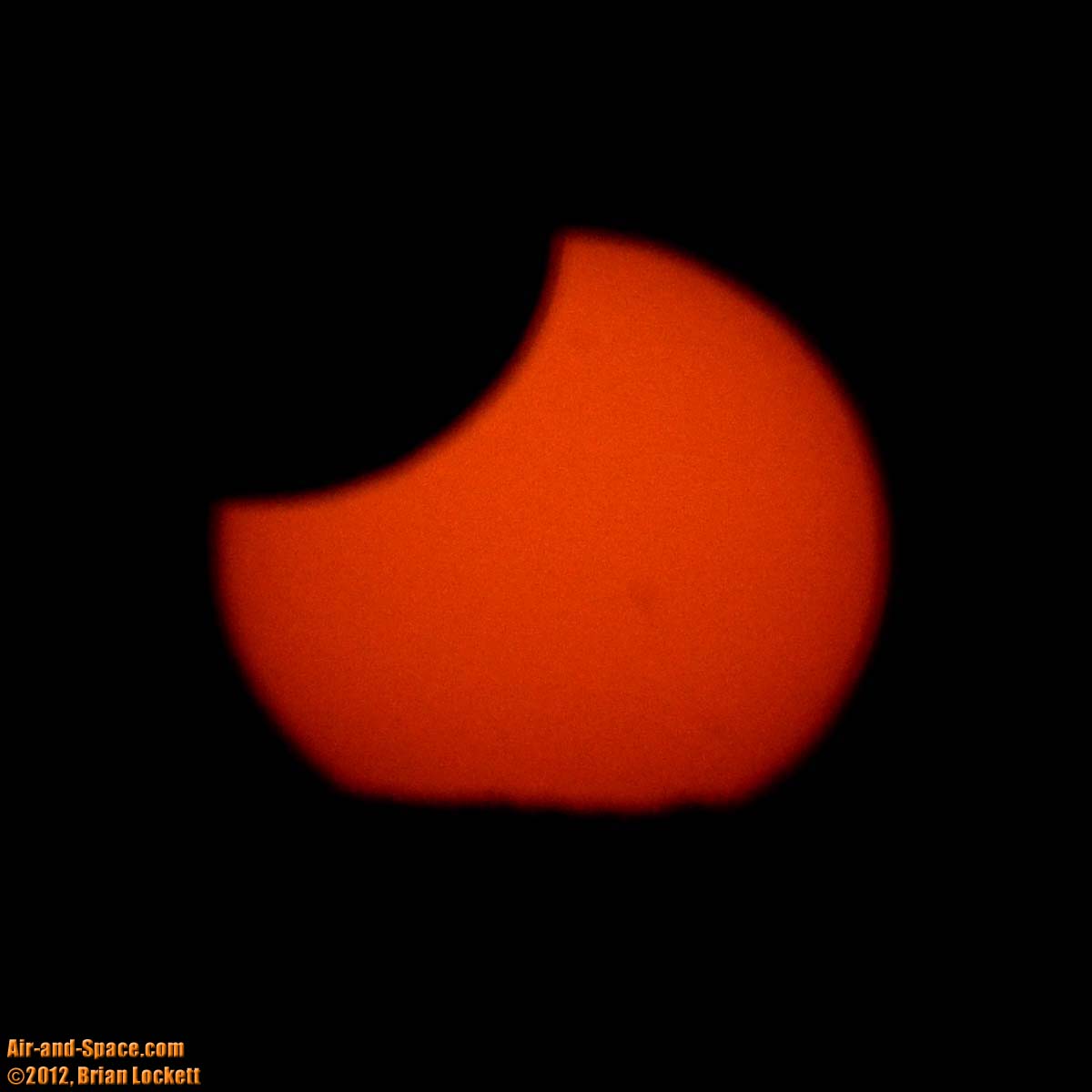 The Sun eclipsed by the Moon and the Earth. Sunset began at 7:20.
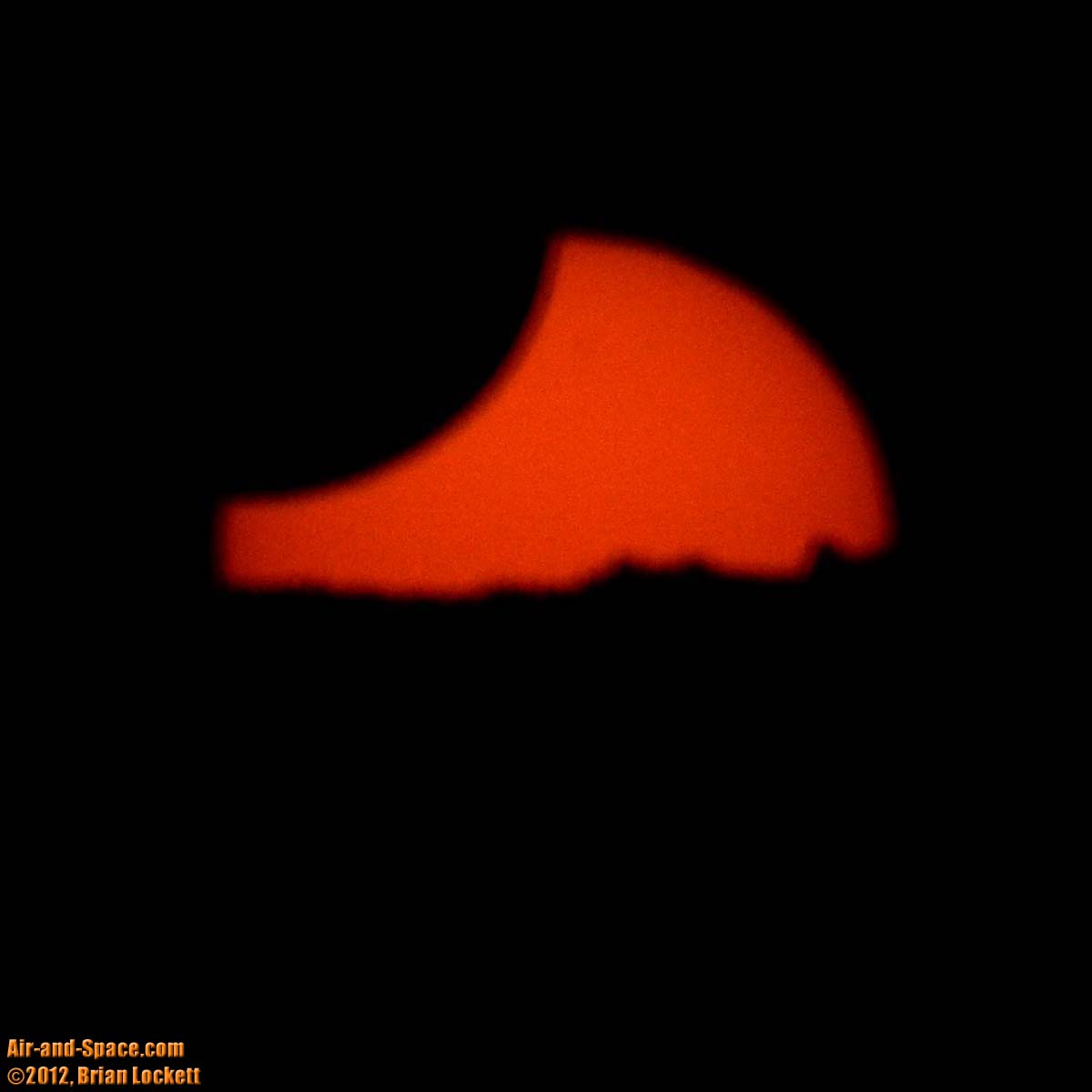 The Earth eclipsed half of the Sun at 7:21:13 PM.
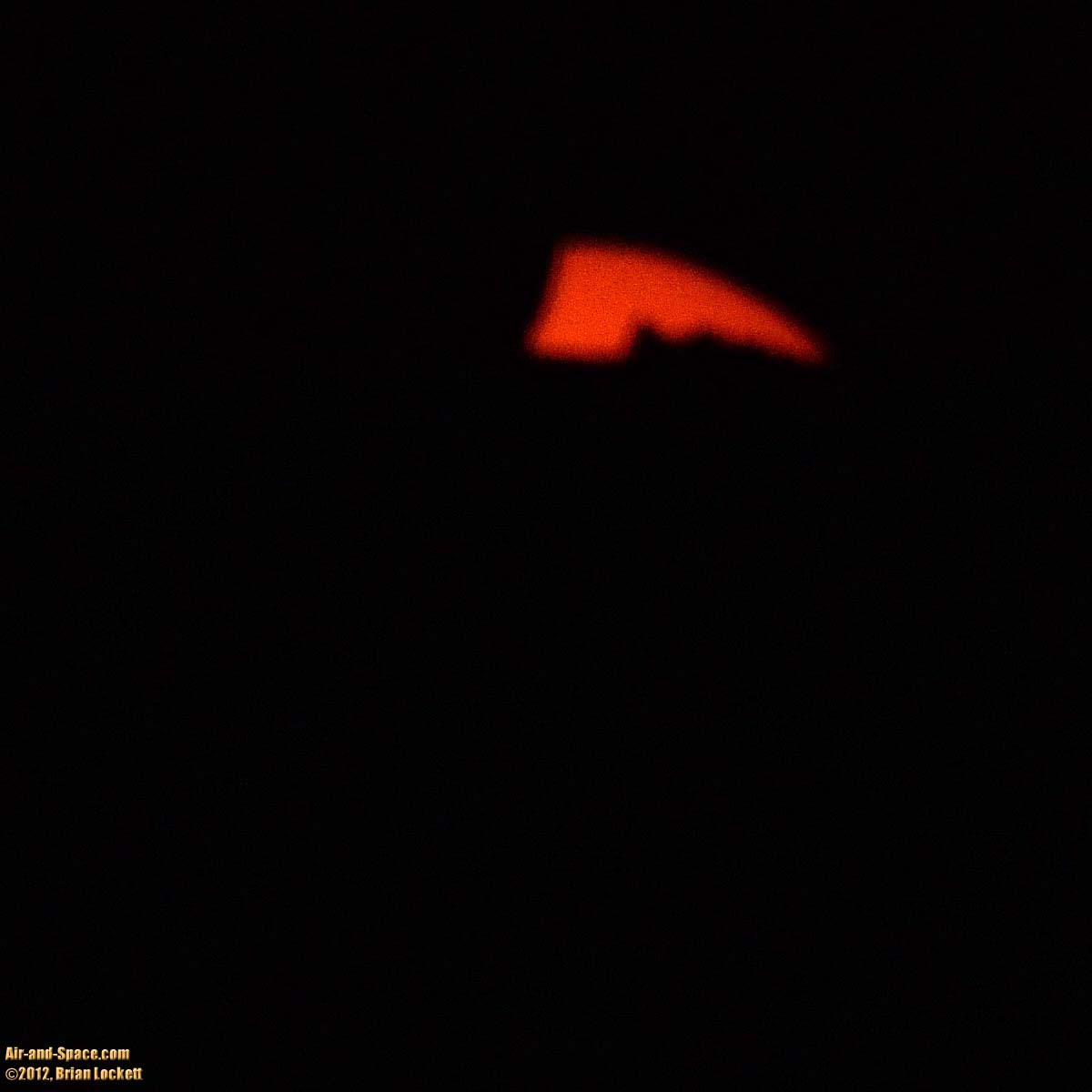 The sun set at 7:23, shortly before the end of the eclipse.
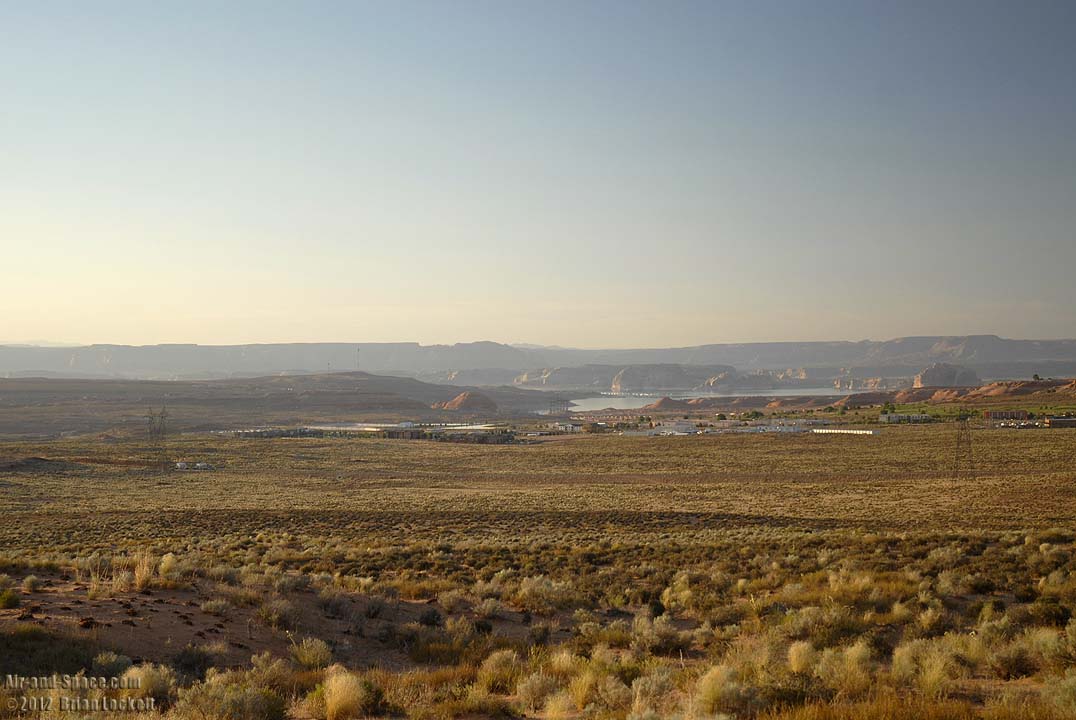 Lake Powell.
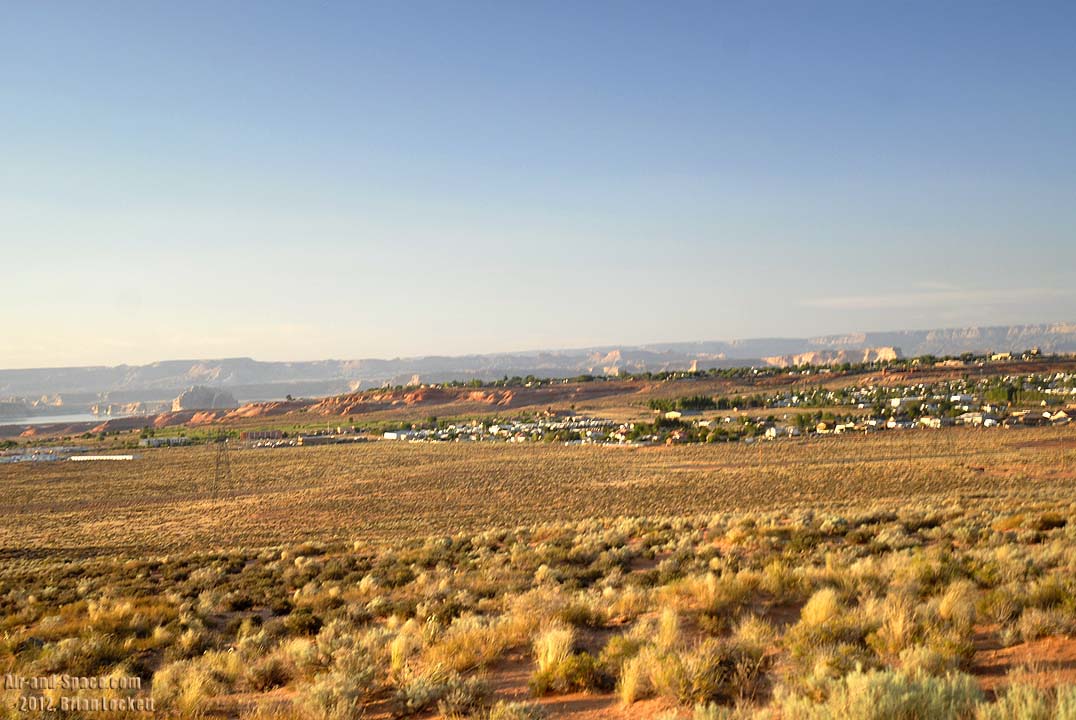 Page, Arizona.
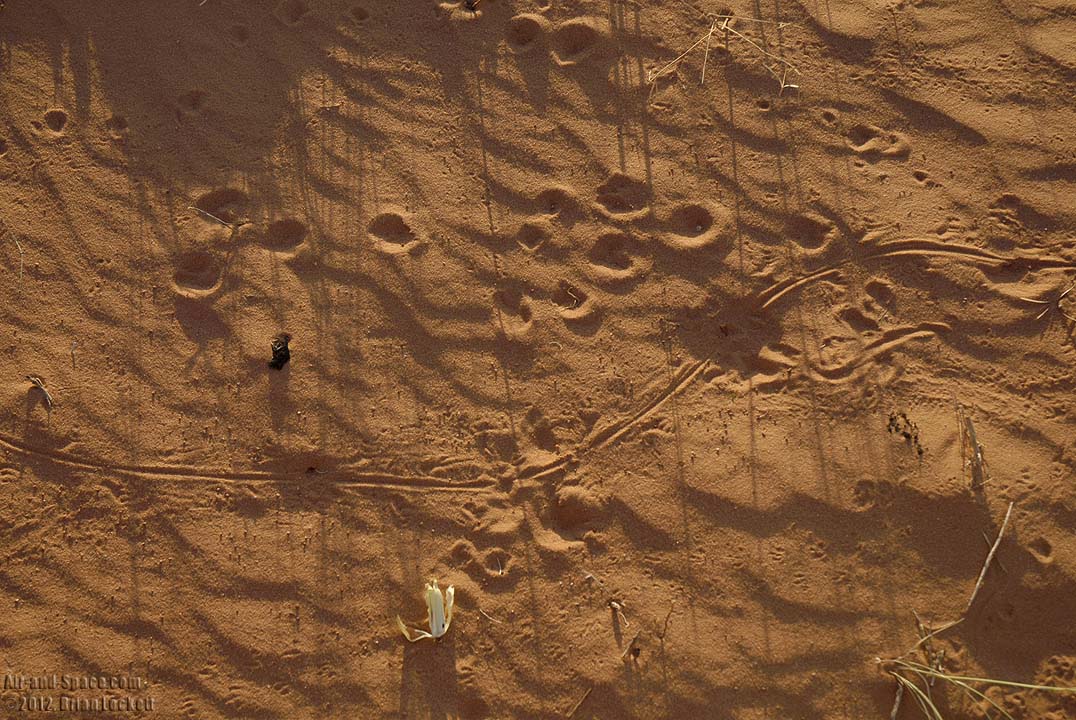 Footprints and tail drag marks provide an indication of the many little critters that inhabit the area.
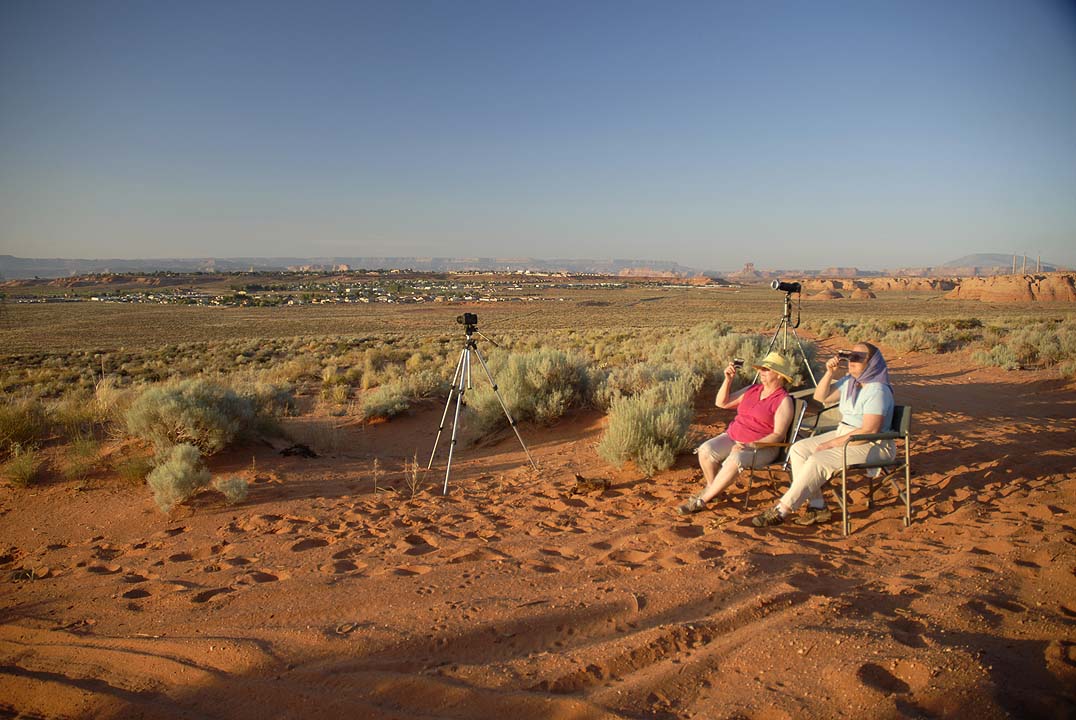 Debbie and Lisa view the eclipse through safe solar viewers..
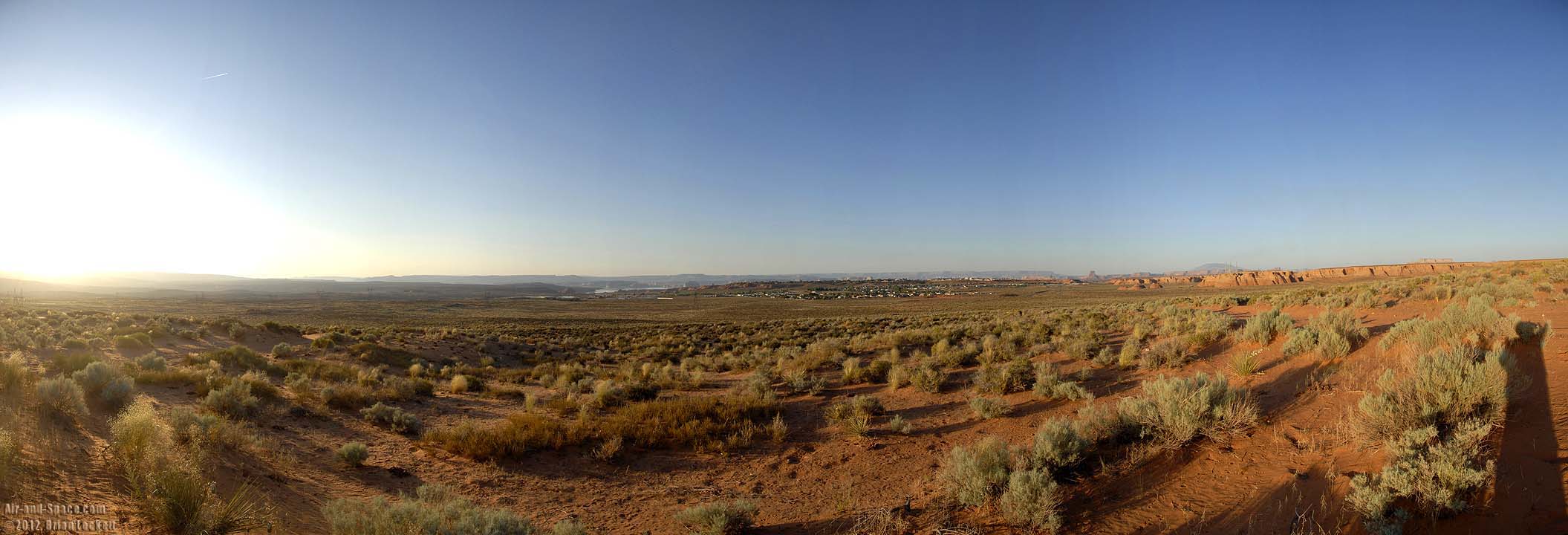 Page, Arizona during the Solar Eclipse.
I animated my pictures of the annular solar eclipse and added a time lapse movie of the changing light levels during the eclipse.
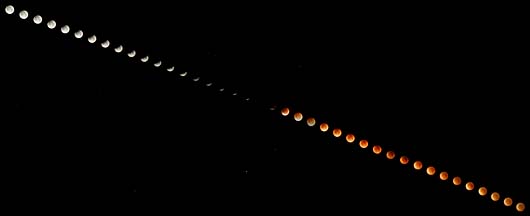 The eclipsed Moon was visible over Goleta early on the morning of August 28, 2007.
You can buy framed prints of this photograph.
I recently upgraded to a higher resolution digital camera and started a new sequence of improved Moon photographs.
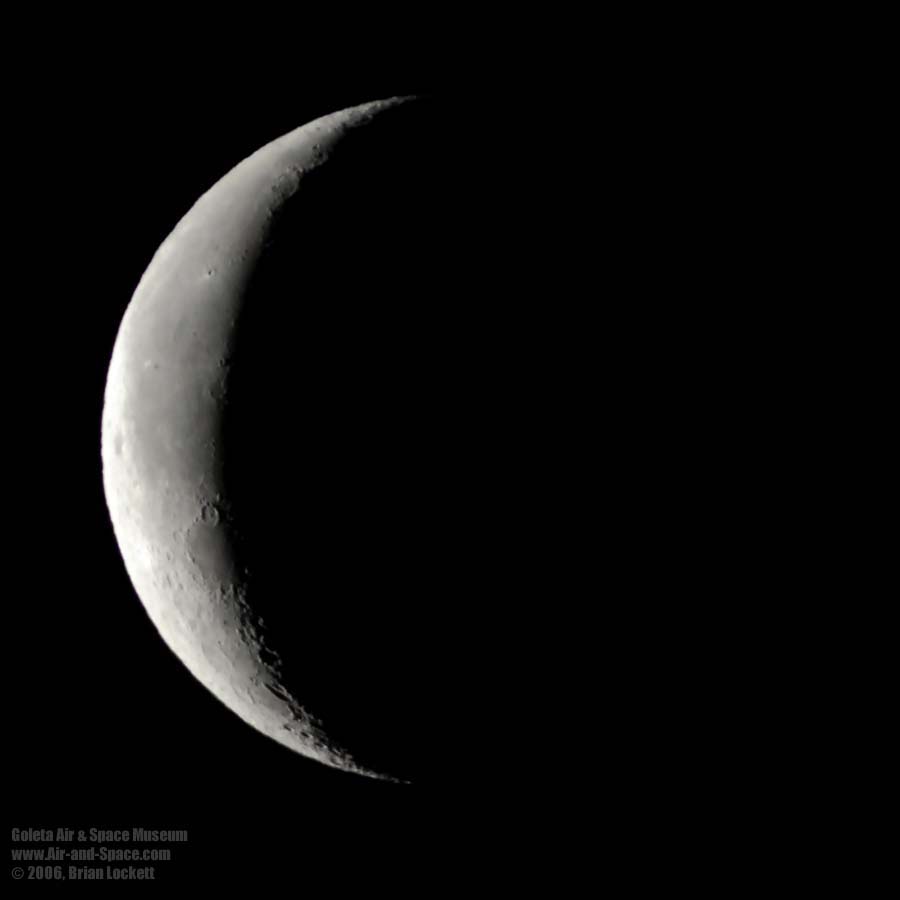 Waning crescent Moon, October 17, 2006
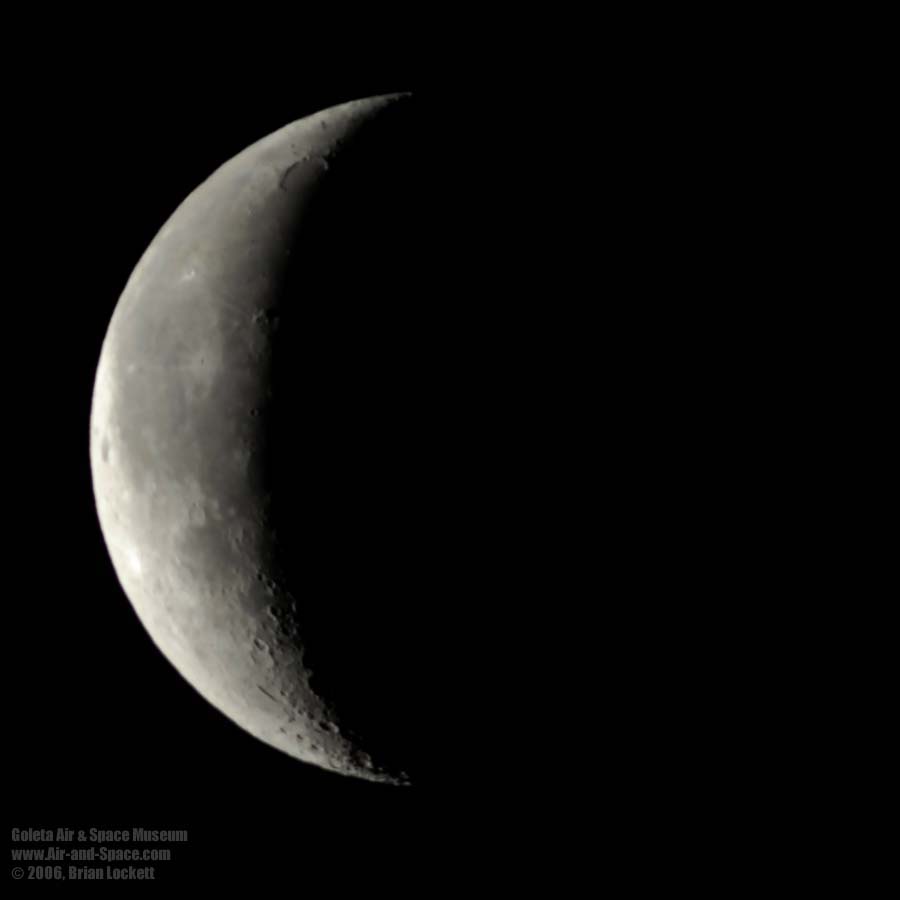 Waning crescent Moon, October 16, 2006
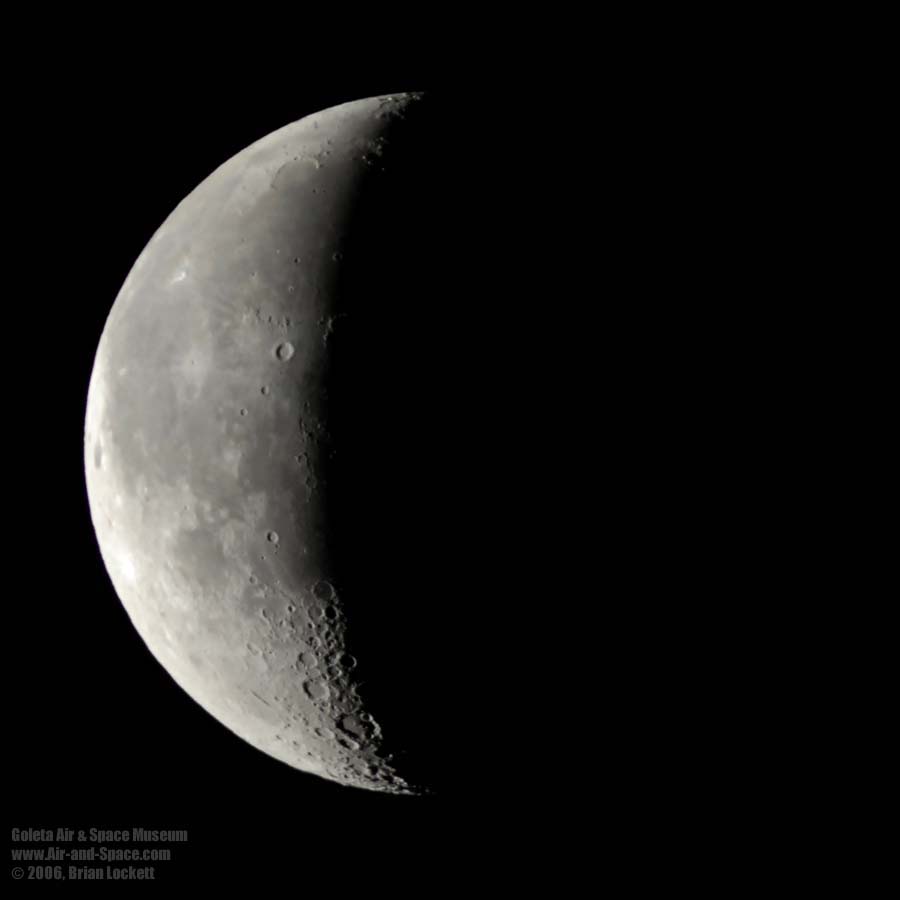 Waning crescent Moon, October 15, 2006
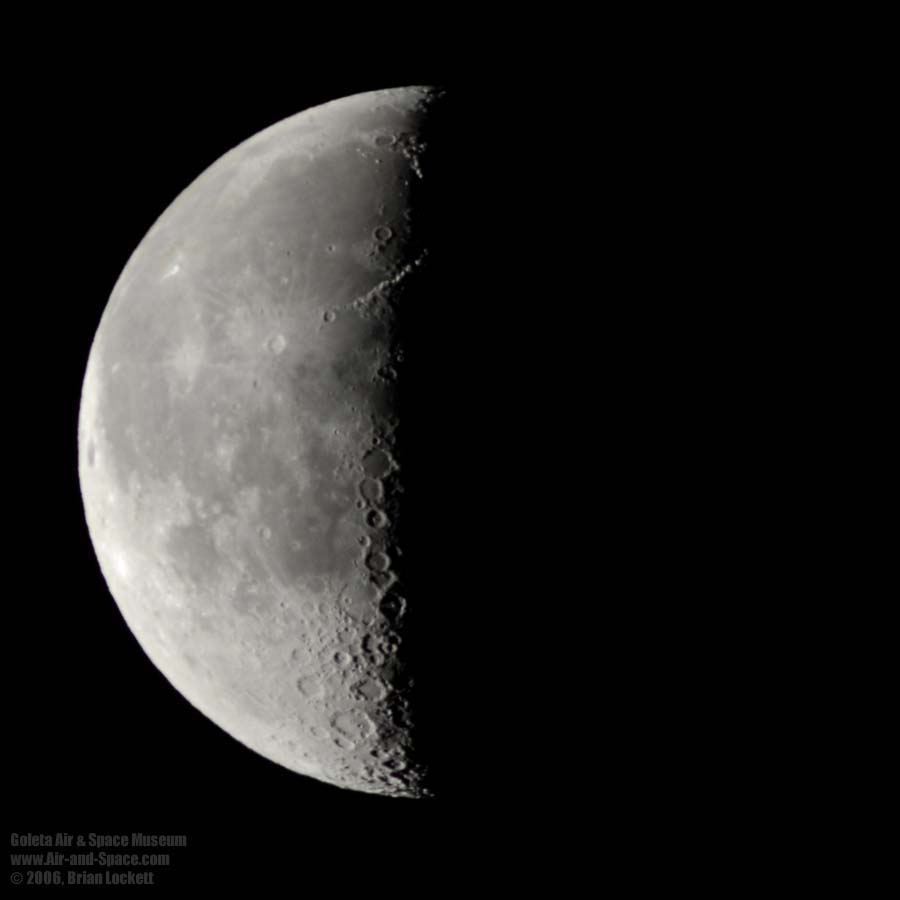 Last quarter Moon, October 14, 2006
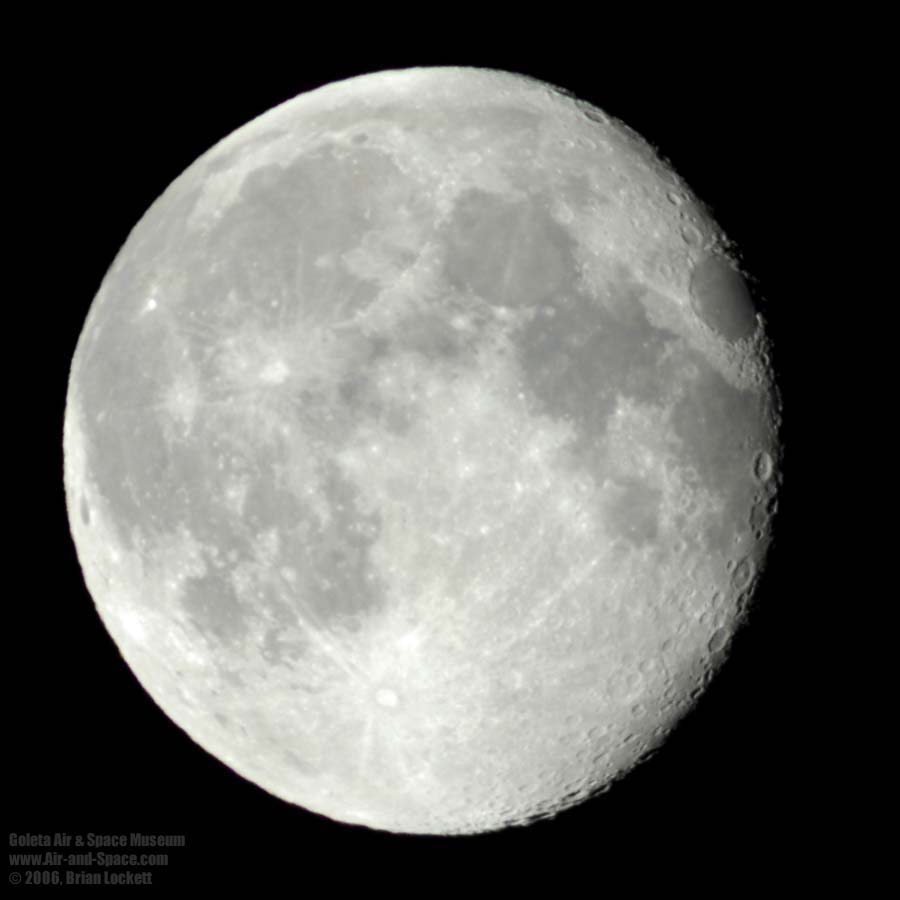 Waning gibbous Moon, October 8, 2006
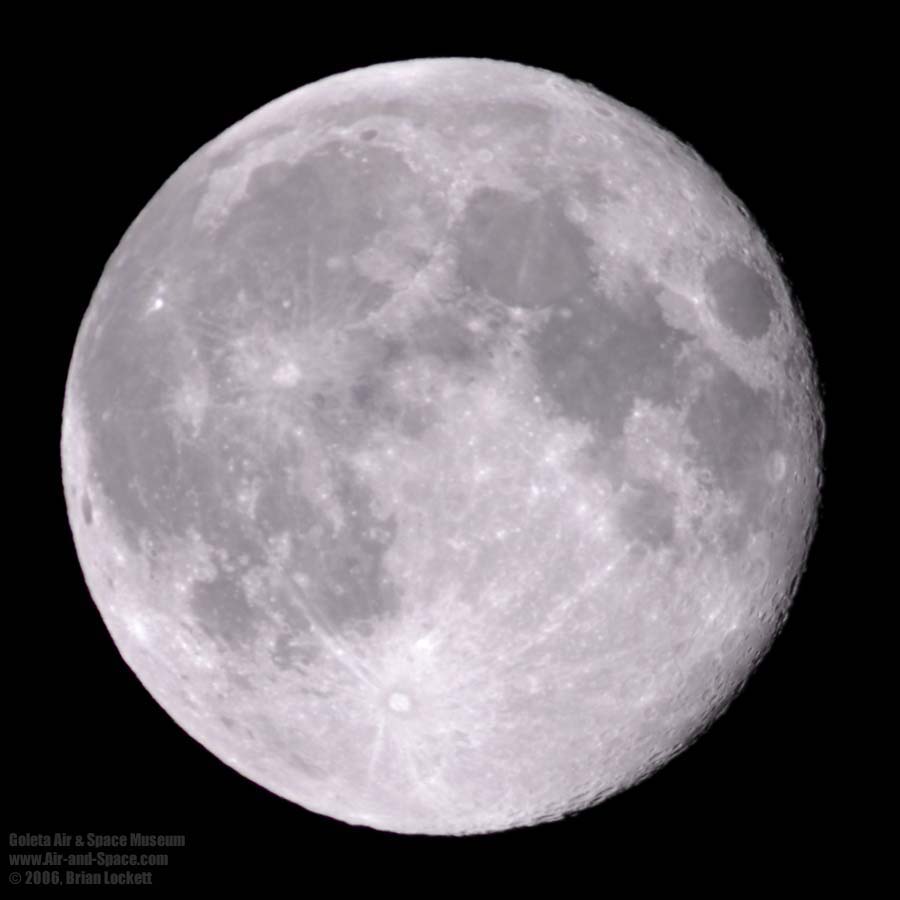 Waning gibbous Moon, October 7, 2006
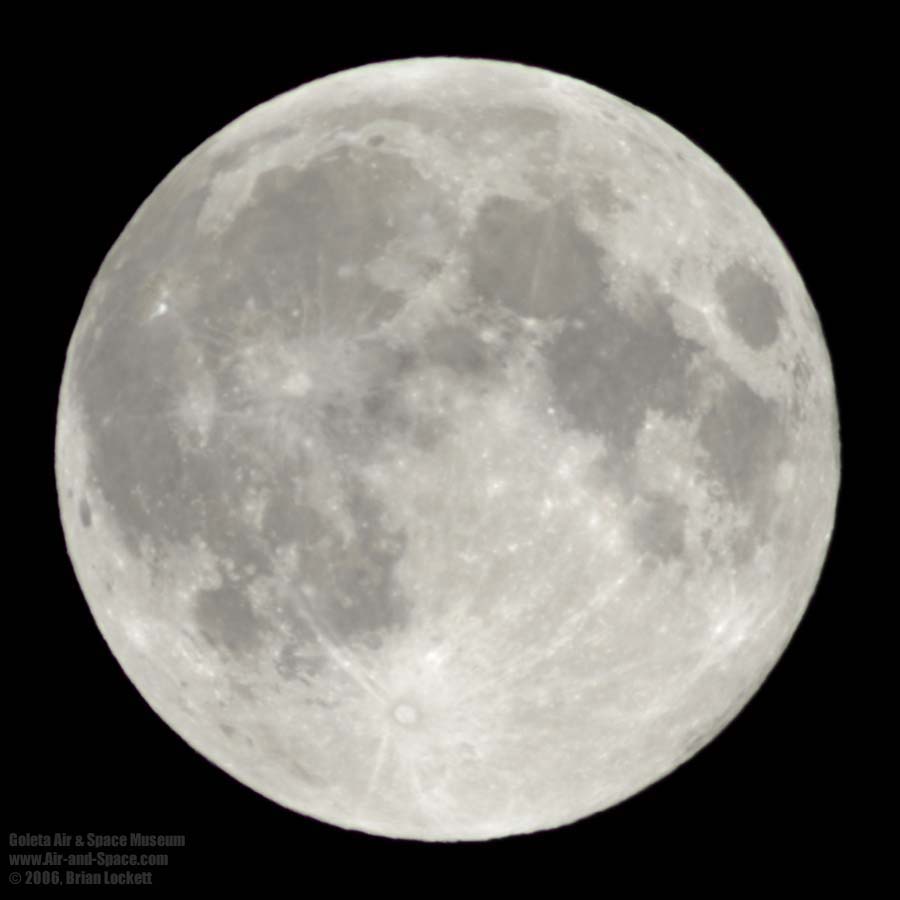 Full Moon, October 6, 2006
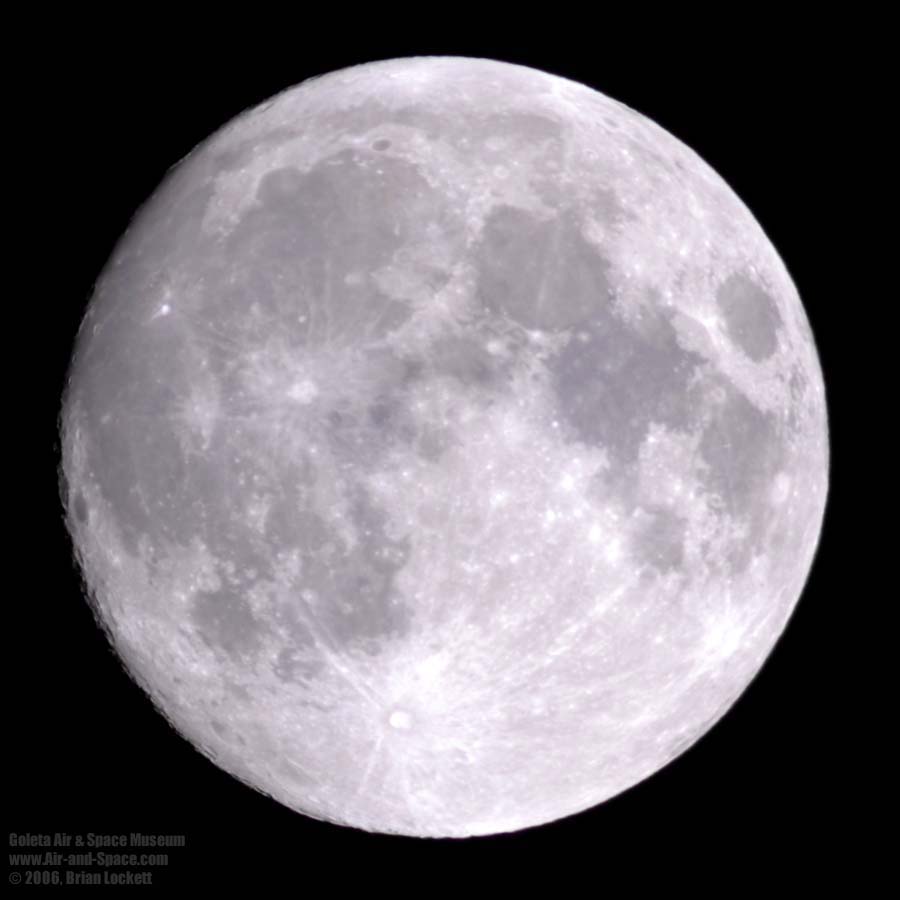 Waxing gibbous Moon, October 5, 2006
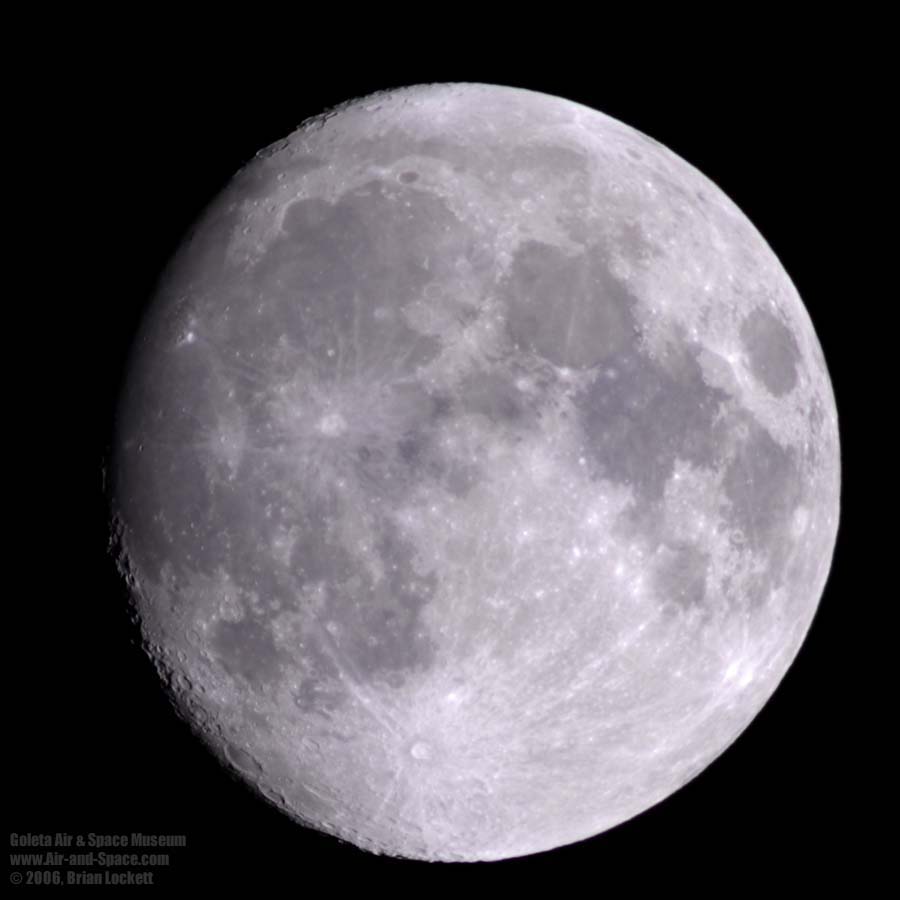 Waxing gibbous Moon, October 4, 2006
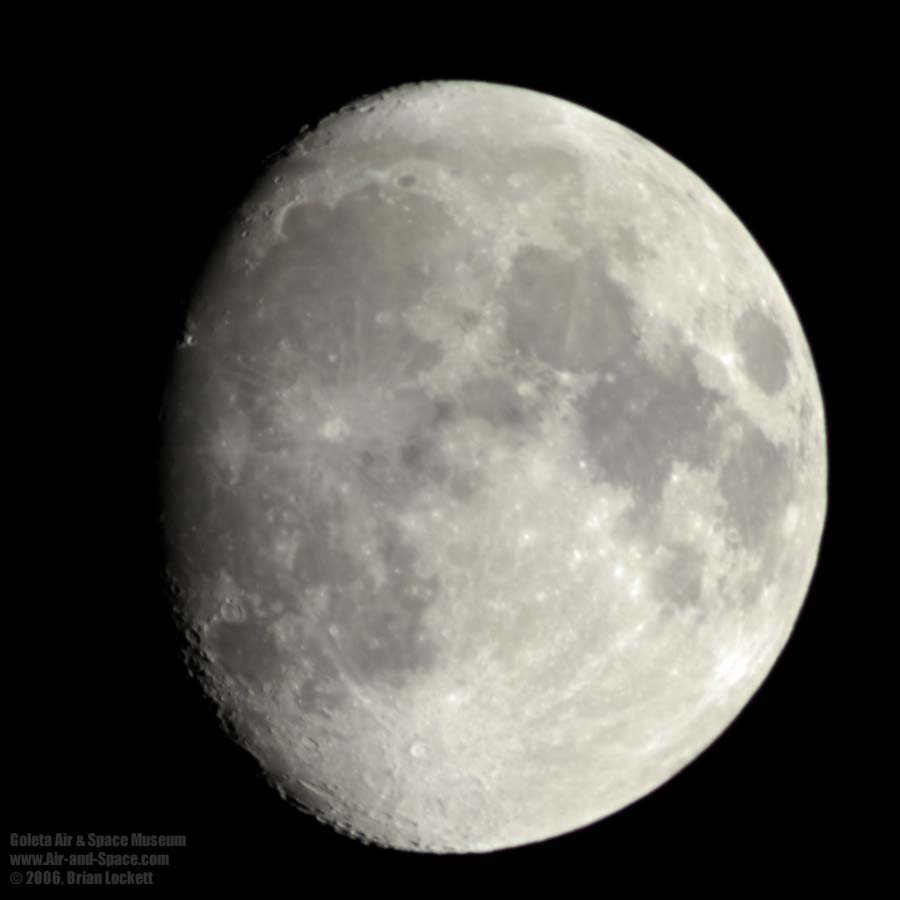 Waxing gibbous Moon, October 3, 2006
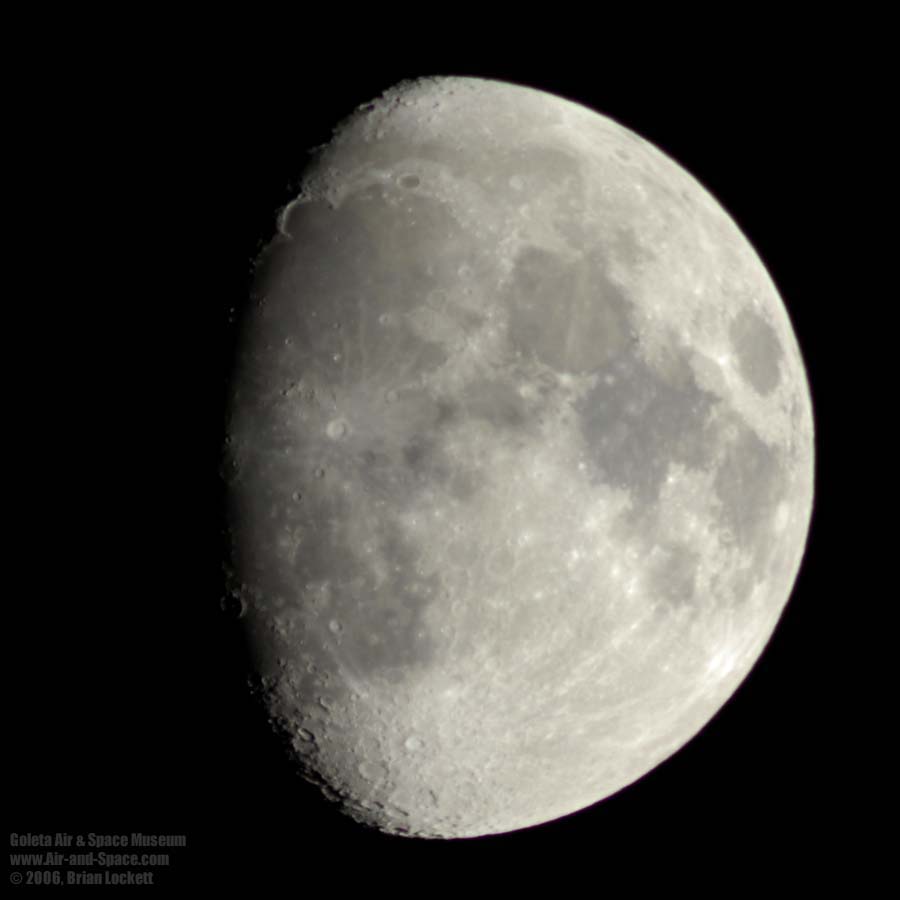 Waxing gibbous Moon, October 2, 2006
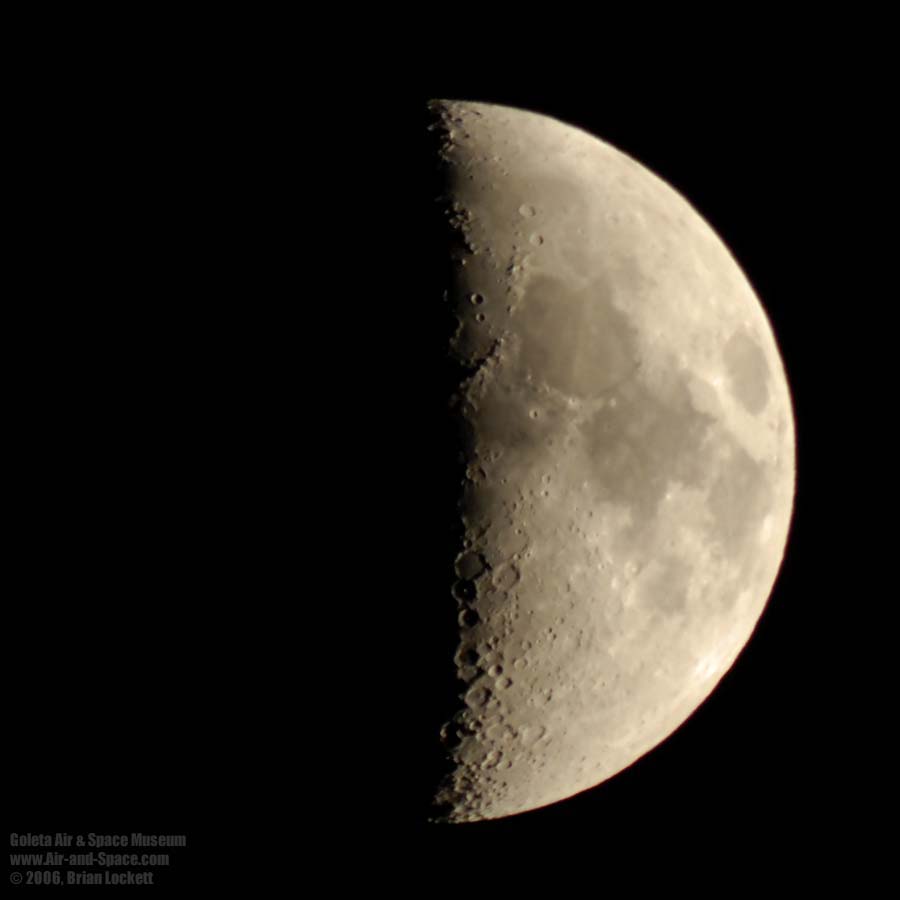 First quarter Moon, September 29, 2006
 Waxing crescent Moon, September 27, 2006
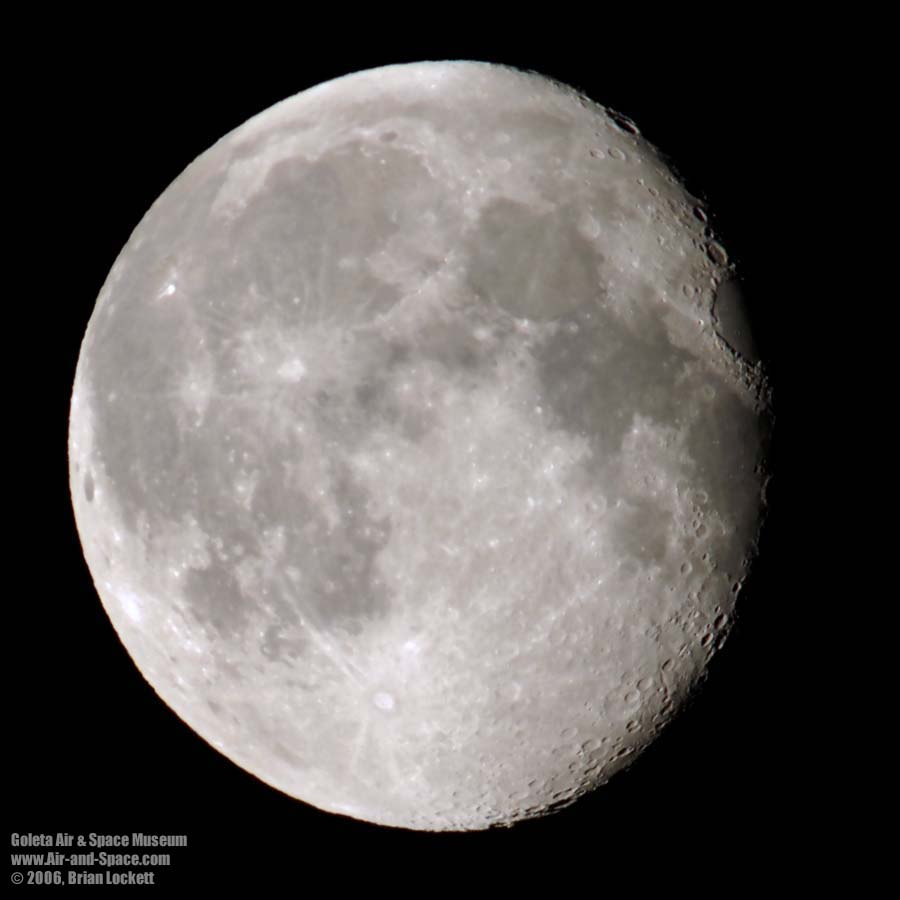 Waning gibbous Moon, September 9, 2006.
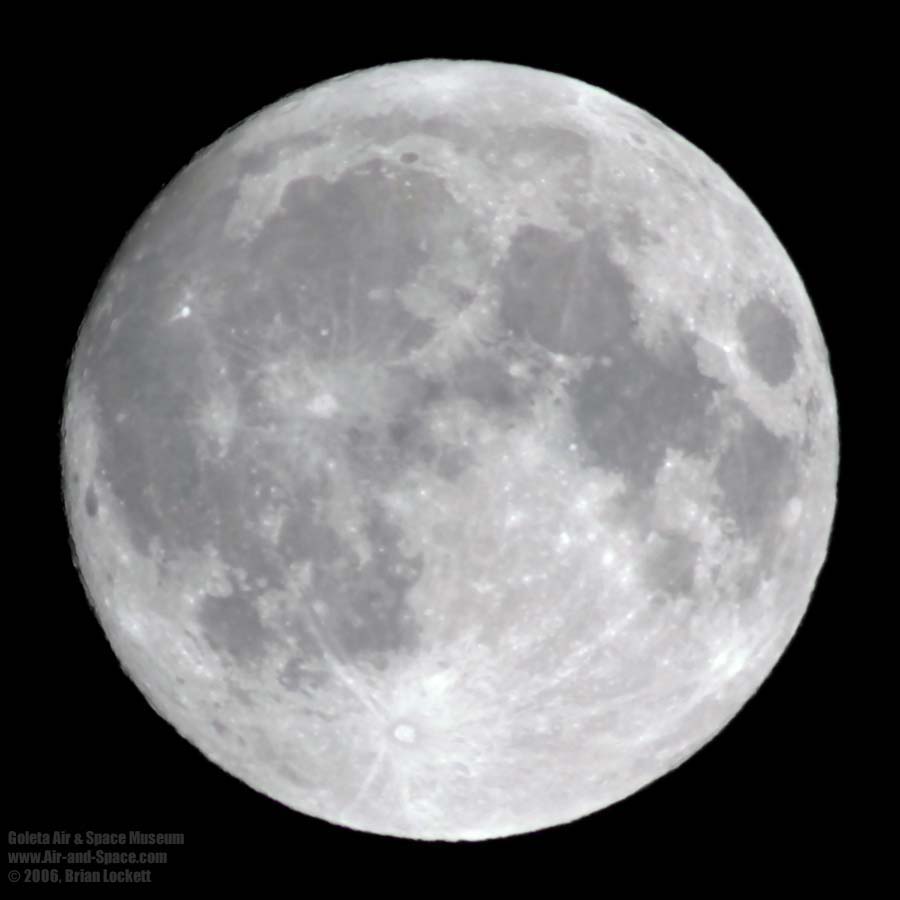 Full Moon, September 6, 2006.
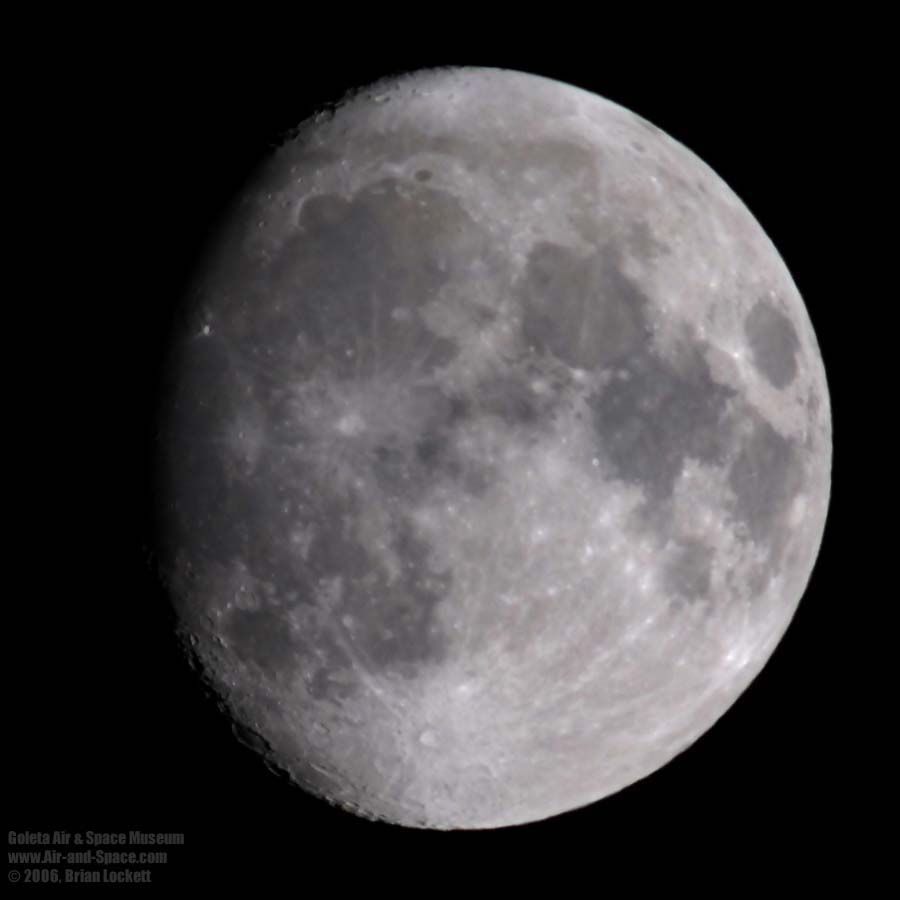 Waxing gibbous Moon, September 4, 2006.
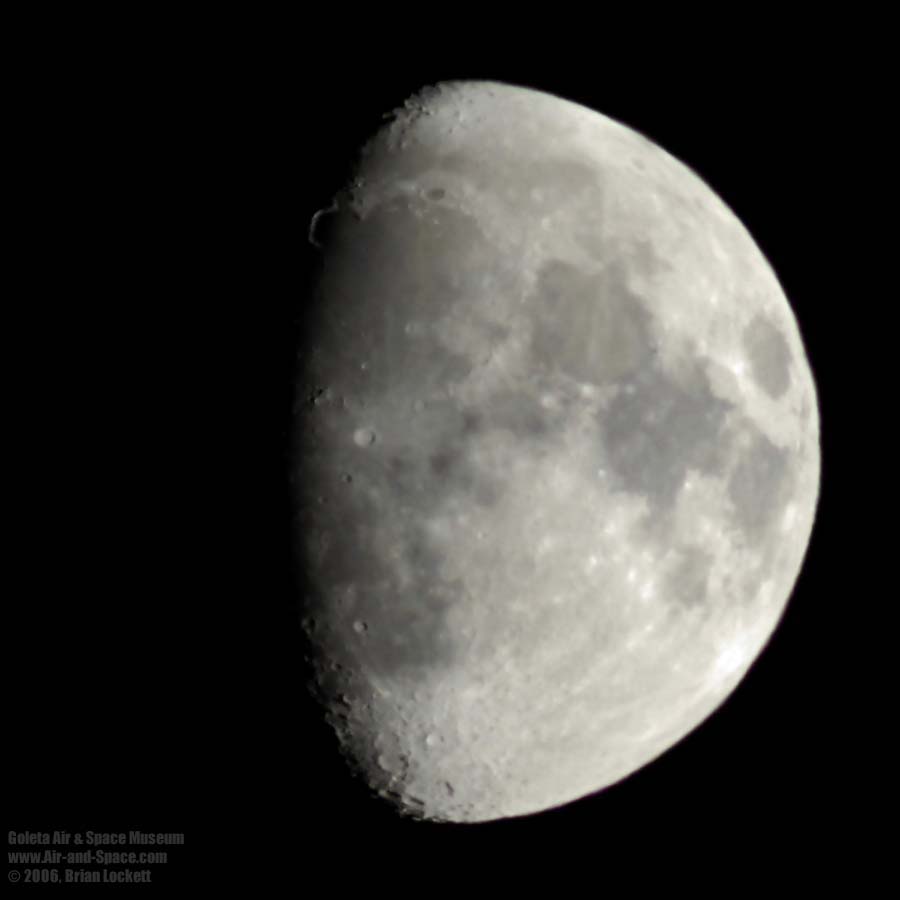 Waxing gibbous Moon, September 2, 2006.
 First quarter Moon, August 31, 2006.
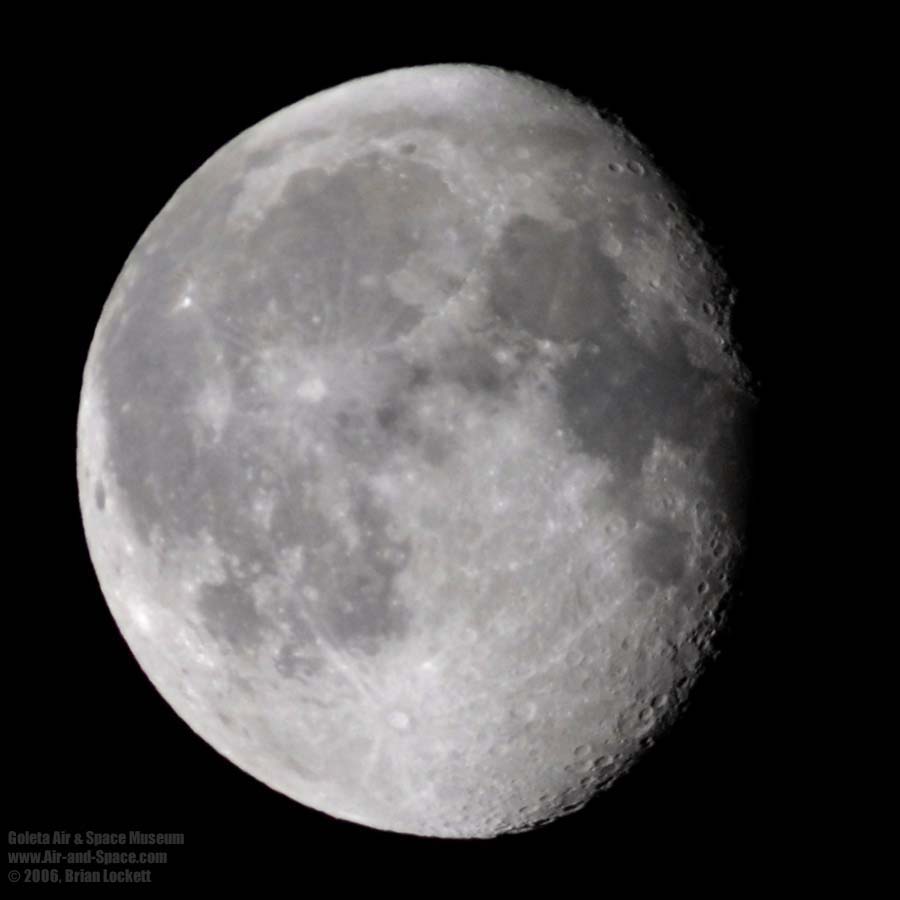 Waning gibbous Moon, August 12, 2006.
The Moon passed through the shadow of the Earth on the evening of October 27. A storm moved through this area shortly before sunset. The view to the east was obscured by clouds. From time to time the Moon appeared through holes in the clouds.
 Quicktime movie of the eclipse.
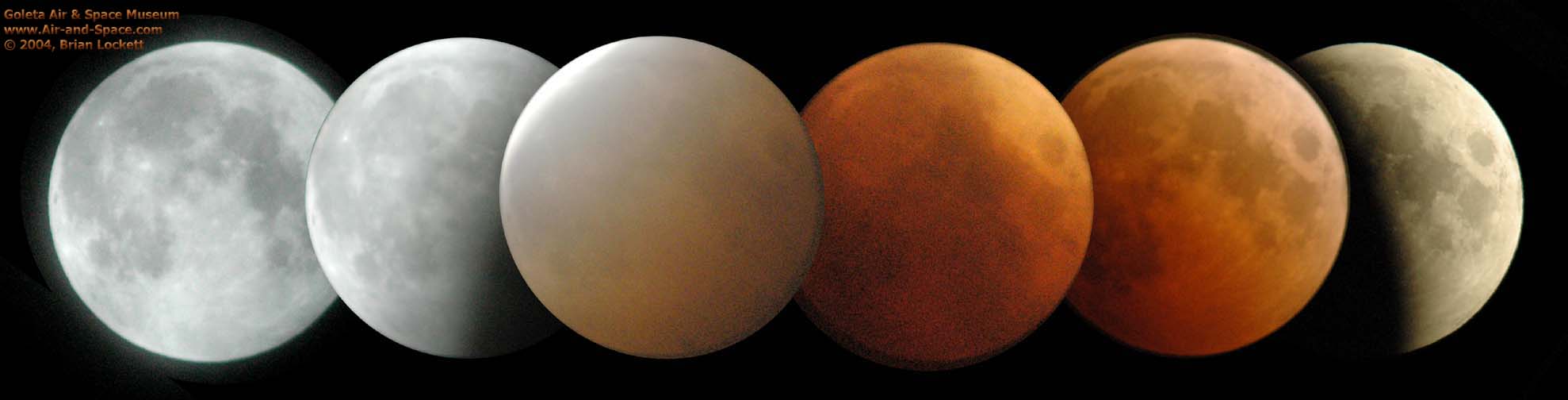 Composite image of the total lunar eclipse.
You can buy framed prints of this photograph.
 The Moon was already partially eclipsed when
it first peeked through the clouds at 6:47 P.M.
The Moon was already partially eclipsed when
it first peeked through the clouds at 6:47 P.M.
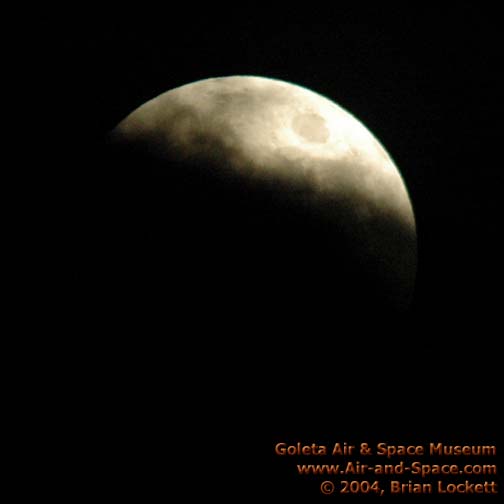 Clouds returned to hide the Moon at 6:56 P.M.
 It disappeared behind the clouds
until 7:32 when it was totally eclipsed.
It disappeared behind the clouds
until 7:32 when it was totally eclipsed.
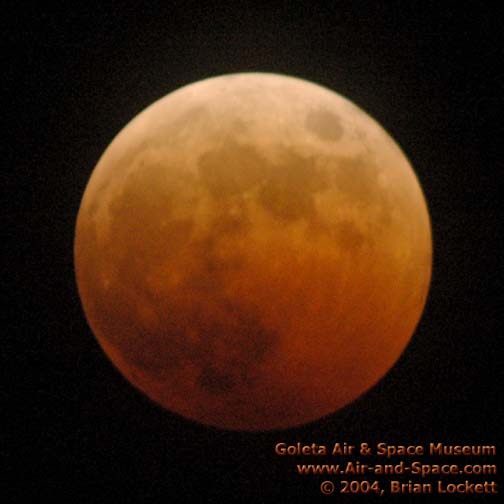 7:36 P.M.
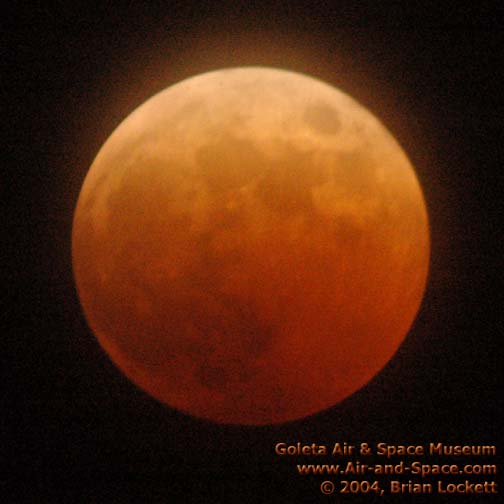 7:40 P.M.
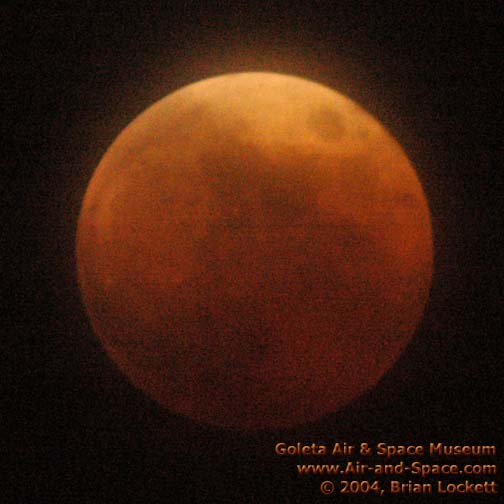 7:47 P.M.
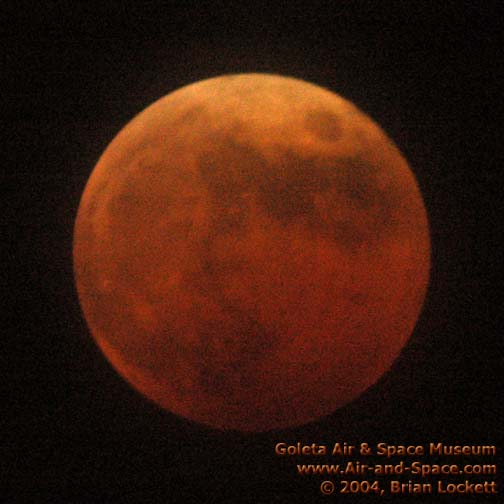 7:49 P.M.
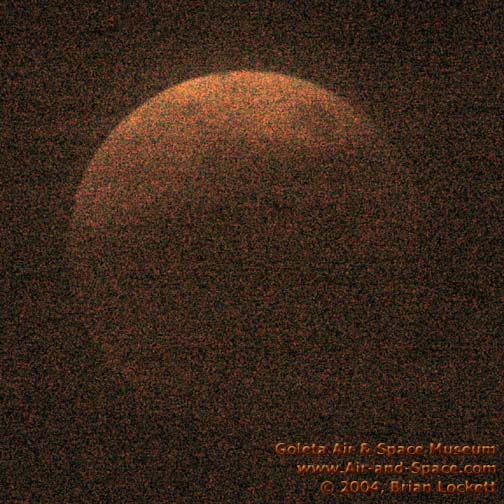 The dimly lit Moon disappeared behind the clouds
again at 7:53 P.M.
The dimly lit Moon disappeared behind the clouds
again at 7:53 P.M.
 The Moon revolving around the Earth from July 18 to August 12. Look carefully and you can
see how the Moon librates. Since the angular velocity of the Moon is higher when it
is at perigee and lower when it is at apogee, it appears to wobble from side to side.
Since the Moon's orbit is inclined to the Earth's equator, it appears to wobble up
and down.
The Moon revolving around the Earth from July 18 to August 12. Look carefully and you can
see how the Moon librates. Since the angular velocity of the Moon is higher when it
is at perigee and lower when it is at apogee, it appears to wobble from side to side.
Since the Moon's orbit is inclined to the Earth's equator, it appears to wobble up
and down.
 The Moon revolving around the Earth from August 19 to September 11. (animated GIF)
 (Quicktime movie)
 This illustrates the difference in apparent size between the Moon at
apogee on July 14, August 11, and September 8 and the Moon at
perigee on July 1, July 29, August 27, and September 22. Apogee and perigee occur slightly later
in each lunar cycle.
This illustrates the difference in apparent size between the Moon at
apogee on July 14, August 11, and September 8 and the Moon at
perigee on July 1, July 29, August 27, and September 22. Apogee and perigee occur slightly later
in each lunar cycle.
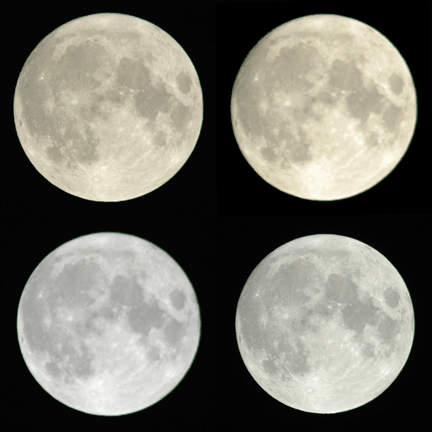 This alternates between the full Moon on July 1, July 30, August 27, and September 27
showing how libration presents
a slightly different view of the Moon from month to month.
This alternates between the full Moon on July 1, July 30, August 27, and September 27
showing how libration presents
a slightly different view of the Moon from month to month.
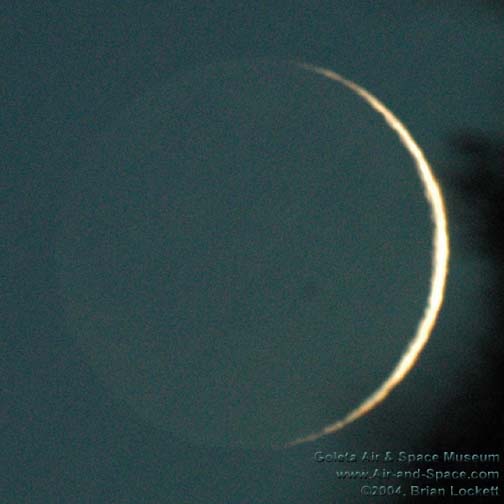 New Moon July 18, 2004
 Waxing Crescent Moon July 19, 2004
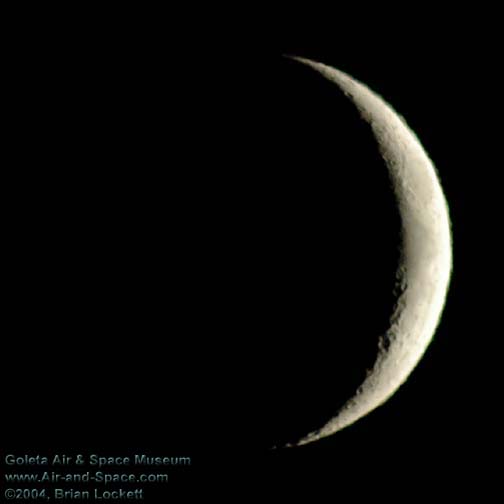 Waxing Crescent Moon July 20, 2004
 Waxing Crescent Moon July 21, 2004
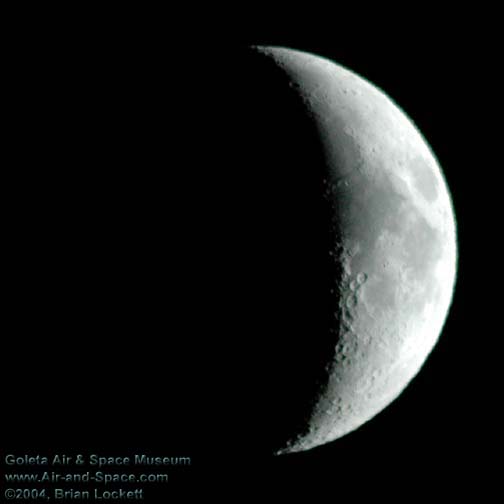 Waxing Crescent Moon July 22, 2004
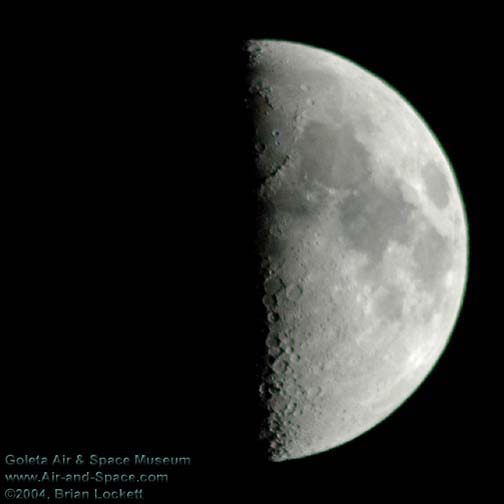 Half Moon July 24, 2004
 Waxing Gibbous Moon July 26, 2004
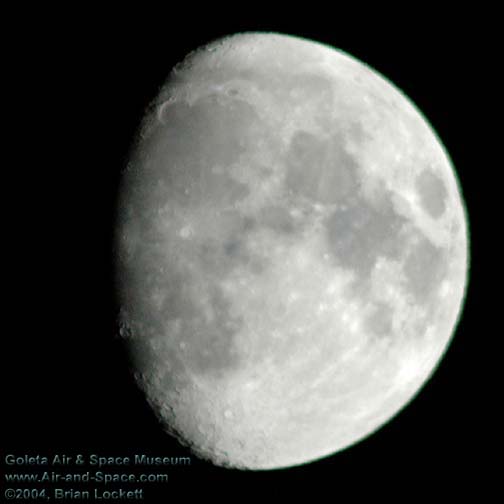 Waxing Gibbous Moon July 27, 2004
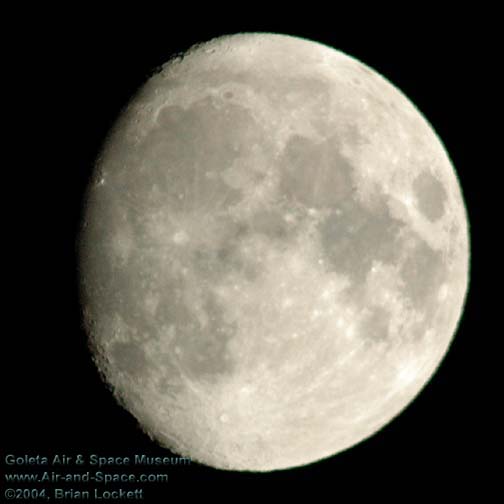 Waxing Gibbous Moon July 28, 2004
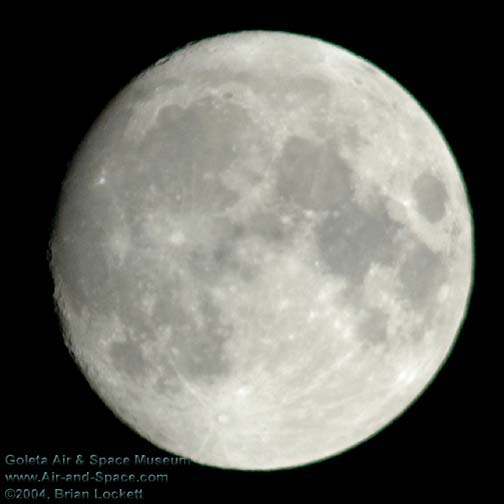 Waxing Gibbous Moon July 29, 2004
 Full Moon July 30, 2004
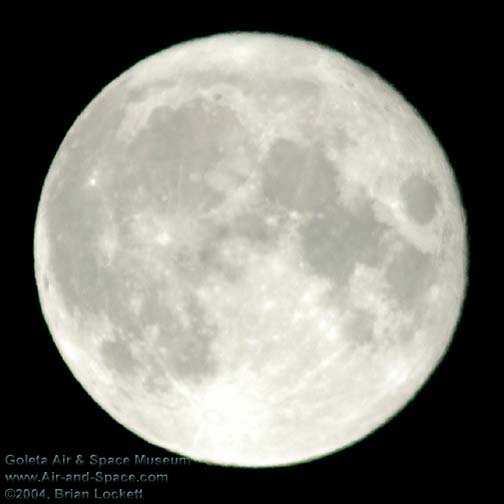 Waning Gibbous Moon July 31, 2004
 Waning Gibbous Moon August 2, 2004
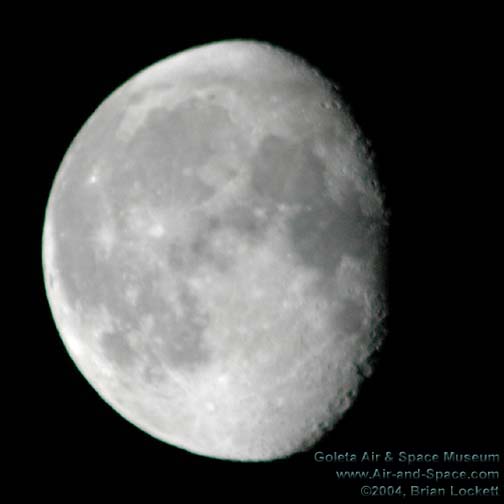 Waning Gibbous Moon August 4, 2004
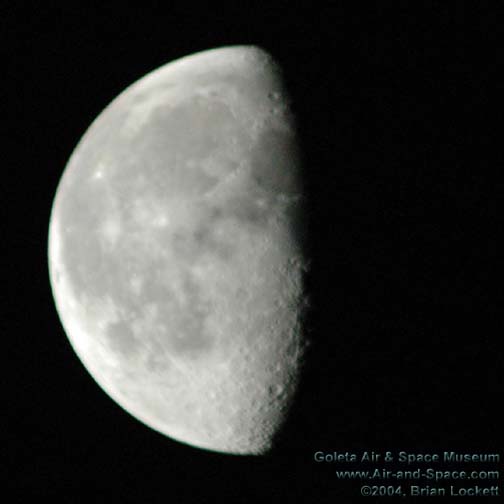 Waning Gibbous Moon August 6, 2004
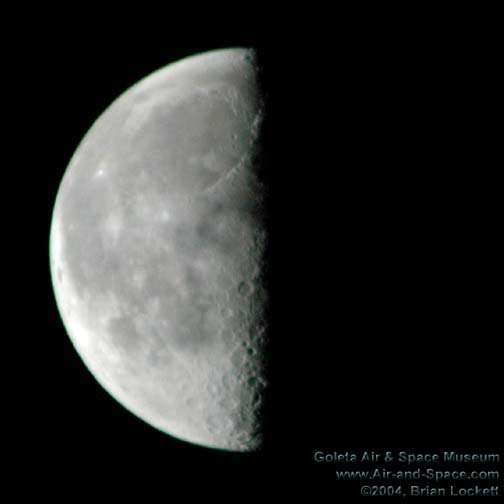 Waning Half Moon August 8, 2004
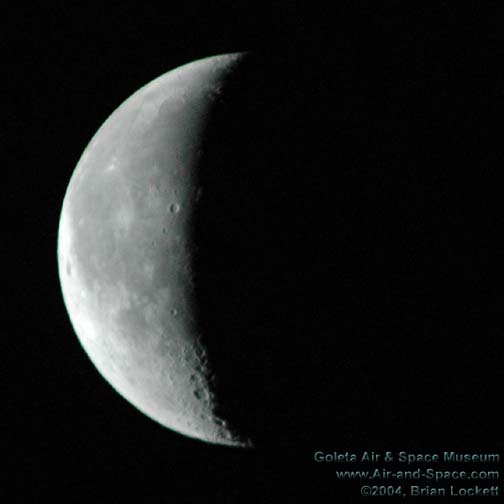 Waning Crescent Moon August 9, 2004
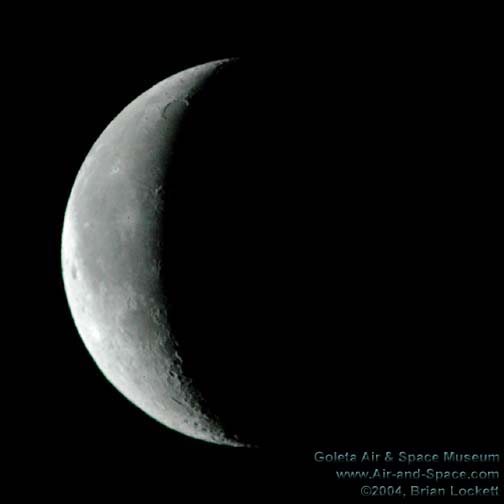 Waning Crescent Moon August 10, 2004
 Waning Crescent Moon August 12, 2004
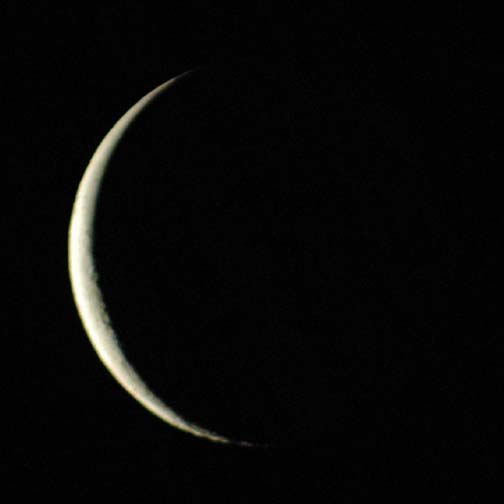 Waning Crescent Moon August 13, 2004
 Astronomy Displays
You can buy a 2020 Calendar featuring my photographs of the Moon.
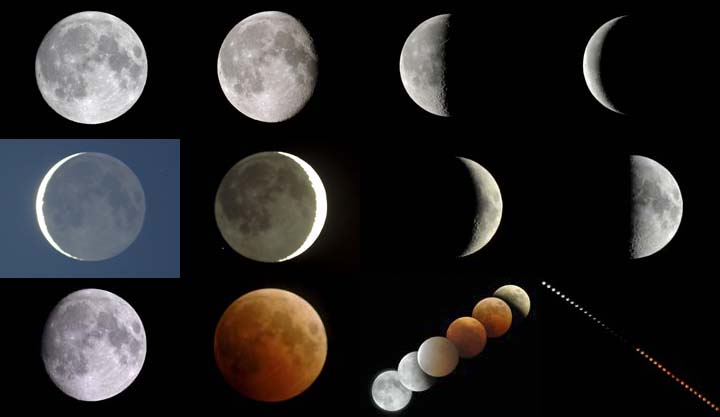
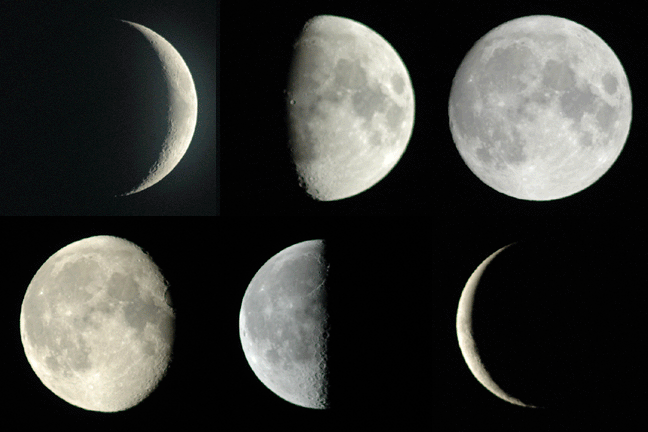
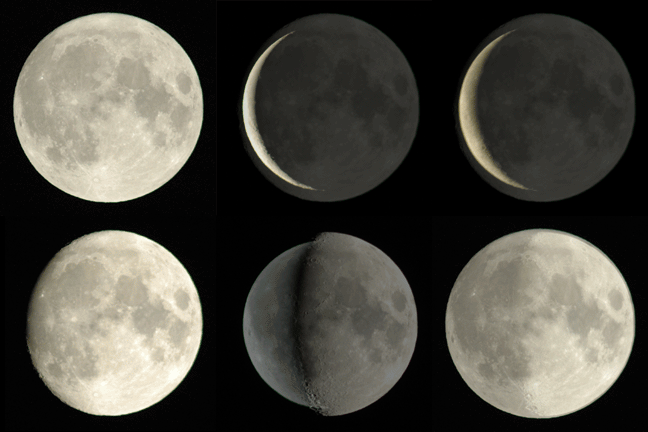
A dozen photographs of the Moon illustrating its changing face as it revolves around the Earth. Two photos were exposed to reveal the dark side of the Moon illuminated by sunlight reflected from the Earth. A multiple-exposure of the totally eclipsed Moon taken on October 27, 2004 shows the Moon moving through the shadow of the Earth. A second multiple exposure shows a total lunar eclipse on August 28, 2007. Exposures were made every four minutes as the Earth's rotation carried the Moon across the filed of view.
 Put a copy of the Phases of the Moon: 2020 Calendar in your Lulu.com shopping cart for $14.95.
Send a message to Brian.